Foto Foto Kontol Bapak Bapak Tua Jawa |work|
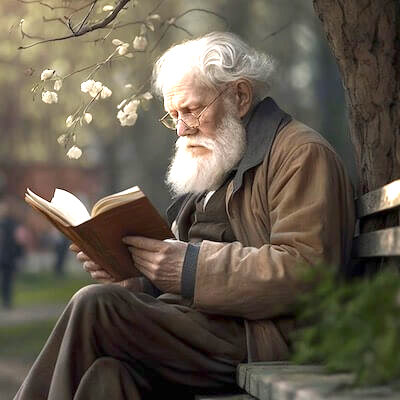
Since this phrase is not a specific, globally recognized film, album, or published book title, it most likely refers to a genre, trend, or collection of user-generated content (e.g., on Instagram, Facebook, or TikTok) featuring elderly Javanese men in stylized, humorous, or culturally rich settings.
Kartini dikenal melalui surat-suratnya yang berisi pemikiran tentang hak-hak perempuan dan pendidikan. Ia menjadi inspirasi bagi banyak perempuan Indonesia untuk maju dan berani mengejar impian mereka. Foto Foto Kontol Bapak Bapak Tua Jawa
3. Cultural Analysis: Why Are These Photos Popular?
- Respect for Elders: In Javanese culture (unggah-ungguh), elders are revered. Laughing with them (as opposed to at them) in a meme context is accepted because the humor is often self-deprecating on behalf of the younger generation.
- Visual of Resilience: The wrinkled face and tired eyes symbolize surviving the Japanese occupation, the post-independence era, and the reformasi period. They represent an unbreakable spirit.
- Aesthetic of "Mbalik Desa" (Back to Village): As urban Indonesians feel burnout, these photos offer a fantasy of returning to a simpler, more meaningful village life.
Gamelan and Music: It is common to see elderly men playing instruments like the saron or drums in a Gamelan orchestra. Since this phrase is not a specific, globally
Foto: Ki Hajar Dewantara sedang berdiri dengan pose yang tegak, mengenakan pakaian adat Jawa yang sederhana namun elegan. Respect for Elders: In Javanese culture ( unggah-ungguh
Looking for more? Share your own foto foto bapak bapak tua using the hashtag #JawaLestari to join the community of cultural archivists.
- Stoic (Mona Lisa style): A face that has seen Repelita (the New Order development era), the monetary crisis, and the digital revolution, yet remains unfazed.
- The Mesem Smile: A half-smile that is polite but distant, suggesting he knows something you don't.
- Golden Hour is King: Shoot at 4 PM. The golden light turns their brown skin into bronze statues.
- Candid over Posed: Do not ask them to smile. Ask them about the Japanese occupation or the price of cengkeh (cloves). You will get a real expression.
- Focus on the Hands: Javanese hands tell stories. Hands holding a kipas (fan), rolling a cigarette, or feeding a chicken.
- Black and White vs. Color: Sepia tones or high-contrast black and white often communicate the nostalgia of the Jamanku (my era) better than vibrant digital colors.