HackBoot 1 and HackBoot 2 are essential bootloader ISO files used primarily for installing older versions of Mac OS X (like Mountain Lion or Lion) on non-Apple hardware via virtualization software like VirtualBox
The installation process typically requires two distinct versions of the Hackboot ISO because the boot requirements change once the operating system is installed:
Since Hackboot is a legacy tool from the early 2010s, it is no longer maintained by its original creators (Olarila). You can typically find these files on community-driven preservation sites: Internet Archive
Most links for Hackboot ISOs are now dead or hosted on suspicious "abandonware" sites that may bundle malware with the download. Beyond the security risks, Hackboot is built on the old Chameleon/Chimera bootloader tech, which does not support: Modern UEFI BIOS. 64-bit kernels of modern macOS (Monterey, Ventura, Sonoma). APFS (Apple’s modern file system). The Modern Alternative: OpenCore
- Visit the official Hackboot website: Go to the official Hackboot website (https://hackboot.github.io/) and click on the "Downloads" tab.
- Select the version: Choose the version you want to download: Hackboot 1 or Hackboot 2.
- Click on the ISO link: Click on the ISO link to download the file. The file size is approximately 20-30 MB.
Critical warning: Do not download Hackboot 1 or 2 from random "direct download" blogspot pages or file-hosting sites like "hackboot.downloader.biz." These almost always bundle ransomware, adware, or coin miners.
Hackboot 1 and 2: What's the Difference?
While both versions share the core principles of Hackboot, there are significant differences:
The standard workflow for using these ISOs in a virtual machine involves these phases: Preparation : Download VirtualBox official Oracle site and secure a retail Mac OS X ISO Initial Boot (HackBoot 1) : In your VM settings, mount the HackBoot 1 ISO as your primary boot disk
Hackboot 1 And 2 | Iso Download |verified|
HackBoot 1 and HackBoot 2 are essential bootloader ISO files used primarily for installing older versions of Mac OS X (like Mountain Lion or Lion) on non-Apple hardware via virtualization software like VirtualBox
The installation process typically requires two distinct versions of the Hackboot ISO because the boot requirements change once the operating system is installed: hackboot 1 and 2 iso download
Since Hackboot is a legacy tool from the early 2010s, it is no longer maintained by its original creators (Olarila). You can typically find these files on community-driven preservation sites: Internet Archive HackBoot 1 and HackBoot 2 are essential bootloader
Most links for Hackboot ISOs are now dead or hosted on suspicious "abandonware" sites that may bundle malware with the download. Beyond the security risks, Hackboot is built on the old Chameleon/Chimera bootloader tech, which does not support: Modern UEFI BIOS. 64-bit kernels of modern macOS (Monterey, Ventura, Sonoma). APFS (Apple’s modern file system). The Modern Alternative: OpenCore Visit the official Hackboot website : Go to
- Visit the official Hackboot website: Go to the official Hackboot website (https://hackboot.github.io/) and click on the "Downloads" tab.
- Select the version: Choose the version you want to download: Hackboot 1 or Hackboot 2.
- Click on the ISO link: Click on the ISO link to download the file. The file size is approximately 20-30 MB.
Critical warning: Do not download Hackboot 1 or 2 from random "direct download" blogspot pages or file-hosting sites like "hackboot.downloader.biz." These almost always bundle ransomware, adware, or coin miners.
Hackboot 1 and 2: What's the Difference?
While both versions share the core principles of Hackboot, there are significant differences:
The standard workflow for using these ISOs in a virtual machine involves these phases: Preparation : Download VirtualBox official Oracle site and secure a retail Mac OS X ISO Initial Boot (HackBoot 1) : In your VM settings, mount the HackBoot 1 ISO as your primary boot disk
Frequently Asked Questions about Shareme Download Download
Is ShareMe free?
Yes, ShareMe is completely free to use. There are no paid versions or in-app purchases.
Does ShareMe charge data while transferring files?
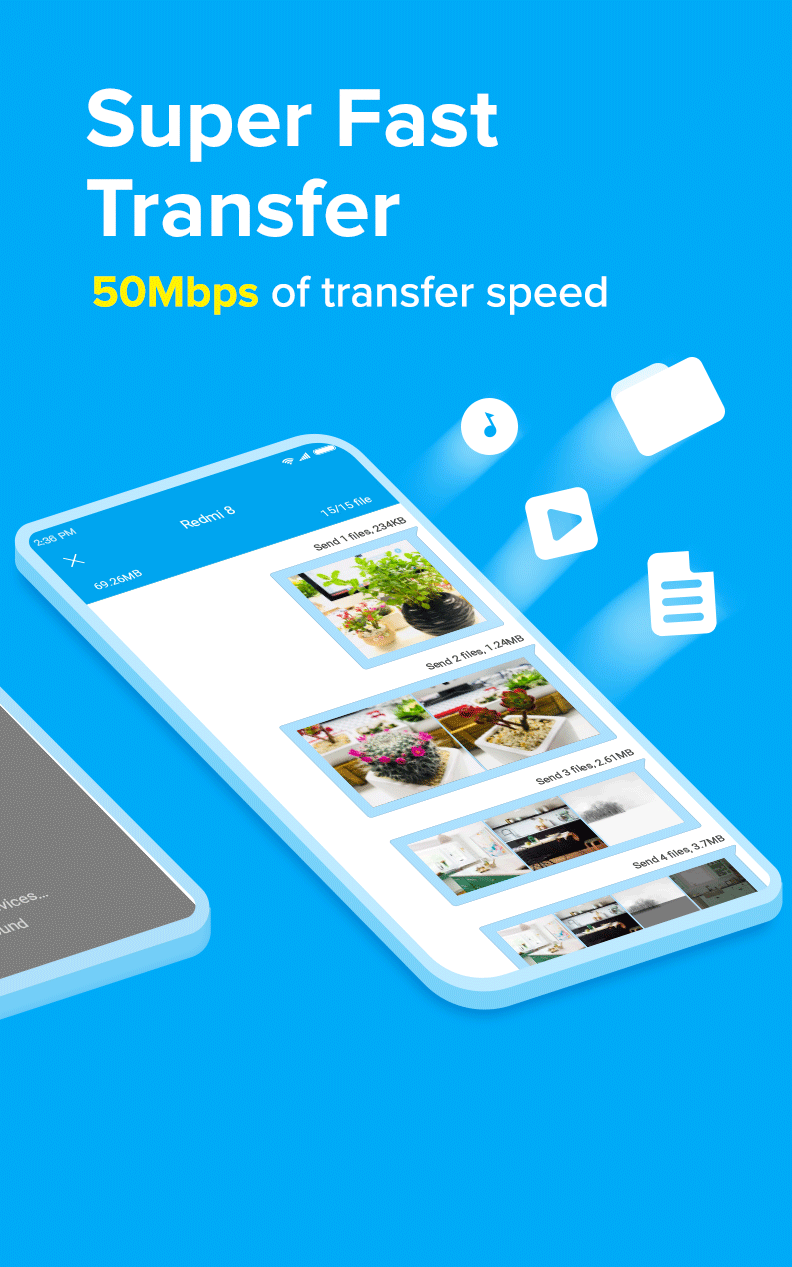
No, ShareMe does not charge any data while transferring files.
Are there any limitations on file size or type?
No, there are no limitations on file size or type. You can transfer any type of file, regardless of size.
Can ShareMe transfer files between different platforms?
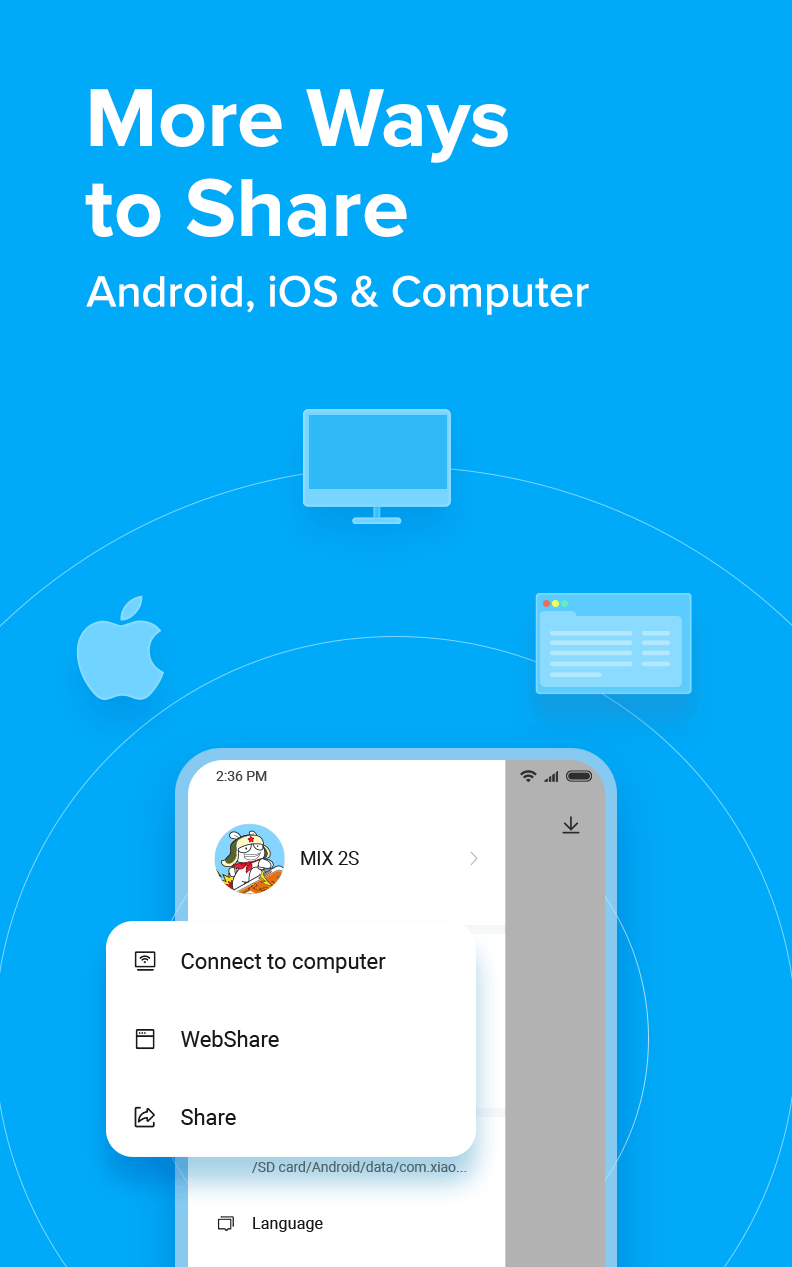
Yes, ShareMe can transfer files between Android, iOS, Windows, and Mac devices.
Is ShareMe safe to use?
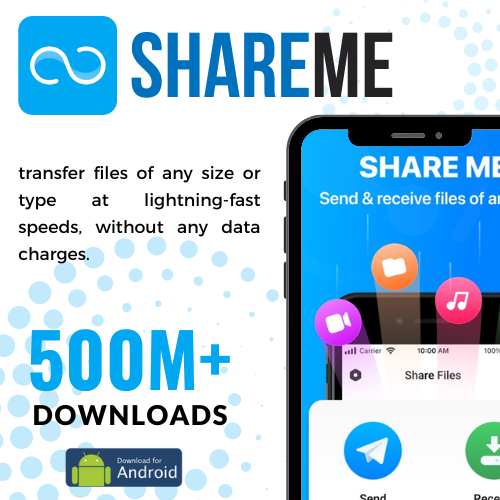
Yes, ShareMe is a safe and secure app. It is verified by Google Play Protect and has over 500 million users worldwide.
View More
Troubleshooting Shareme Download Download
Check Your Internet Connection
Ensure you have a stable internet connection. A weak or unstable connection can cause the Shareme app to malfunction. Try connecting to a different Wi-Fi network or use your mobile data to see if the issue persists.
Update the Shareme App
Check if there's an update available for the Shareme app. Developers often release updates to fix bugs and improve app performance.. Go to the App Store or Google Play Store, search for the Shareme app, and tap "Update" if an update is available.
Clear the Shareme App Cache
Clearing the app cache can help resolve temporary glitches and errors.. On Android devices, go to "Settings" > "Apps" > "Shareme" > "Storage" > "Clear Cache." On iOS devices, you can't directly clear an app's cache, but you can try reinstalling the app.
Reinstall the Shareme App
If clearing the cache doesn't help, try reinstalling the Shareme app. Uninstall the app from your device and then download and install it again from the App Store or Google Play Store.
Check for Server Issues
Sometimes, Shareme's servers may experience technical difficulties, causing the app to malfunction. Check Shareme's official website or social media pages to see if there are any reported server issues.
View More