Manufacturing Scienceghosh And Mallikpdf
Introduction to Manufacturing Science
Manufacturing science is a multidisciplinary field that combines principles from engineering, materials science, and other areas to design, optimize, and manage the manufacturing process. It focuses on the transformation of raw materials into finished products through various processes, ensuring efficiency, quality, and sustainability.
Exam Preparation: The book is frequently recommended for GATE aspirants because it covers nearly 95% of the syllabus with solved and exercise problems that reflect exam patterns.
Manufacturing Fundamentals: The book bridges the gap between theoretical mechanics and practical application. It covers traditional processes like casting, forming, and welding by analyzing the forces, heat transfer, and material flow involved. manufacturing scienceghosh and mallikpdf
Joining & Advanced Processes: Details welding, brazing, and modern techniques like EDM, ECM, and ultrasonic machining.
Forming Processes: Plastic deformation, forging, rolling, extrusion, and drawing. Manufacturing Fundamentals: The book bridges the gap between
Suggested caption/tags:
“Need a solid manufacturing textbook? Check out Manufacturing Science by Ghosh & Mallik — great for machining, forming, casting, and process planning. #Manufacturing #Engineering #MechanicalEngineering #Machining”
The text is structured to provide a comprehensive analysis of traditional and advanced production methods. Major sections include: Manufacturing Science Text Ghosh And Mallik - mchip.net Forming Processes: Plastic deformation
Manufacturing Science by Amitabha Ghosh and Asok Kumar Mallik is one of the most widely respected textbooks for mechanical and production engineering students and professionals. Known for its rigorous scientific approach, the book bridges the gap between theoretical principles and practical manufacturing applications. Book Overview and Authorship
Economics: Optimizing cutting parameters for minimum cost or maximum production. 5. Joining & Unconventional Processes
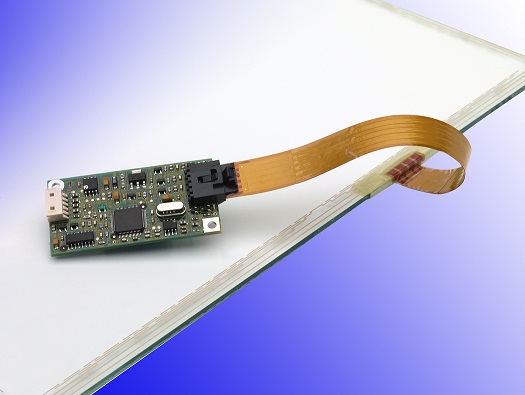 Touch Screen Sensor
 Touch Screen Monitor
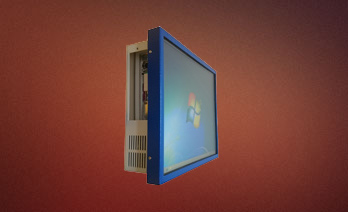 Touch Computer
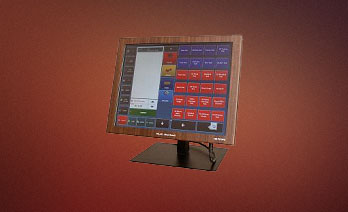 Speciality Display
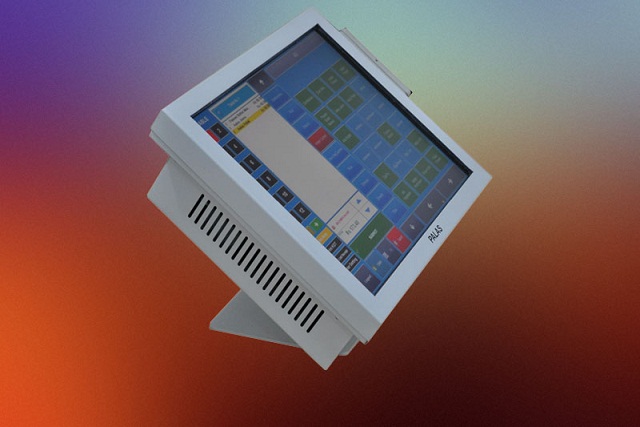 POS System
 Self Ordering System
 Self Service Patient Registration
 Self Service Employee
 Digital Signage
 Software for Factories
 HR Software
 Value Series
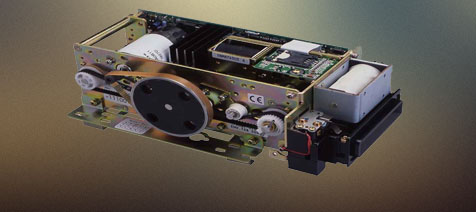 Smartcard Reader
 Thermal Printers
 Retail Solution
 Industrial software
 Digital Signage
 Kiosk
Kiosk
 Touch Table