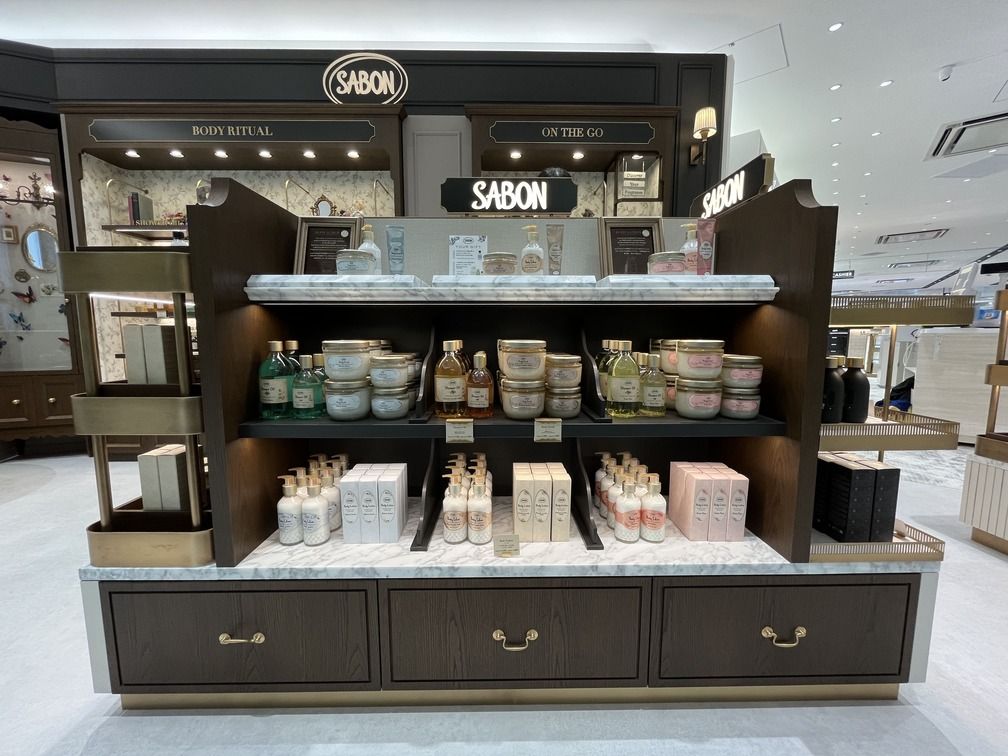
부루벨은 라이프스타일 및 럭셔리
제품과 경험을 큐레이팅합니다
1954년부터 이어온
아시아 럭셔리 산업의 선구자
부루벨은 글로벌 럭셔리, 프리미엄 및 라이프스타일 브랜드와 협력하여 아시아 전역에서 브랜드의 성공을 지원합니다.
부루벨의 글로벌 팀과 현지 팀은 고귀하고 아름다운 모든 것에 대한 부루벨의 열정을 아시아 소비자들과 공유하기 위해
브랜드와 제품 및 경험을 신중하게 큐레이팅합니다. 부루벨은 기업가 정신과 파트너십, 민첩성을 통해 아시아 소비자의
끊임없이 변화하는 니즈와 글로벌 브랜드를 이어줍니다.
The humble front door has always been a threshold of profound symbolic and legal significance. It marks the boundary between the public square and the private citadel, a line enshrined in the common law adage that “a man’s home is his castle.” In the 21st century, however, this castle is increasingly outfitted with unblinking electronic eyes. The rise of affordable, high-definition, cloud-connected home security cameras—from doorbell cameras like Ring to pan-tilt-zoom indoor units—has fundamentally altered the nature of domestic security. While these devices offer genuine peace of mind and a demonstrable deterrent effect against property crime, they also constitute a profound, often unexamined, encroachment upon the very privacy they are meant to protect. The central challenge of our era is not whether we should use these technologies, but how we can reconcile the legitimate desire for home security with the equally fundamental right to privacy for our neighbors and ourselves.
The primary privacy concern with modern security cameras is the vulnerability of the cloud. When you view your camera feed on your phone, that data is traveling through the internet.
Because the safest home isn't the one with the most cameras. It's the one where the owners know exactly when to watch—and when to look away.
The "always-on" nature of these systems introduces several ethical and technical risks:
The primary justification for home security cameras is intuitively powerful: safety. A visible camera can deter package thieves, vandals, and potential burglars. Video evidence aids police in identifying suspects and exonerating the wrongly accused. For the elderly or those living alone, a camera offers a virtual window to check on loved ones or monitor for intruders. This is the functional promise of the technology—a rational response to perceived risk in an uncertain world.
The Leaky Boundary: Privacy in Public?
Privacy and Consent: In the context of hidden camera content, privacy and consent are paramount. The creation and distribution of content involving individuals without their explicit consent can be highly problematic and illegal in many places.
Google Search Results: You can request the removal of non-consensual explicit imagery from Google Search results through the Google Help Center.
Keep Firmware Updated: Security vulnerabilities are discovered constantly. Ensure your cameras are set to "auto-update" so they always have the latest patches against hackers. The Verdict
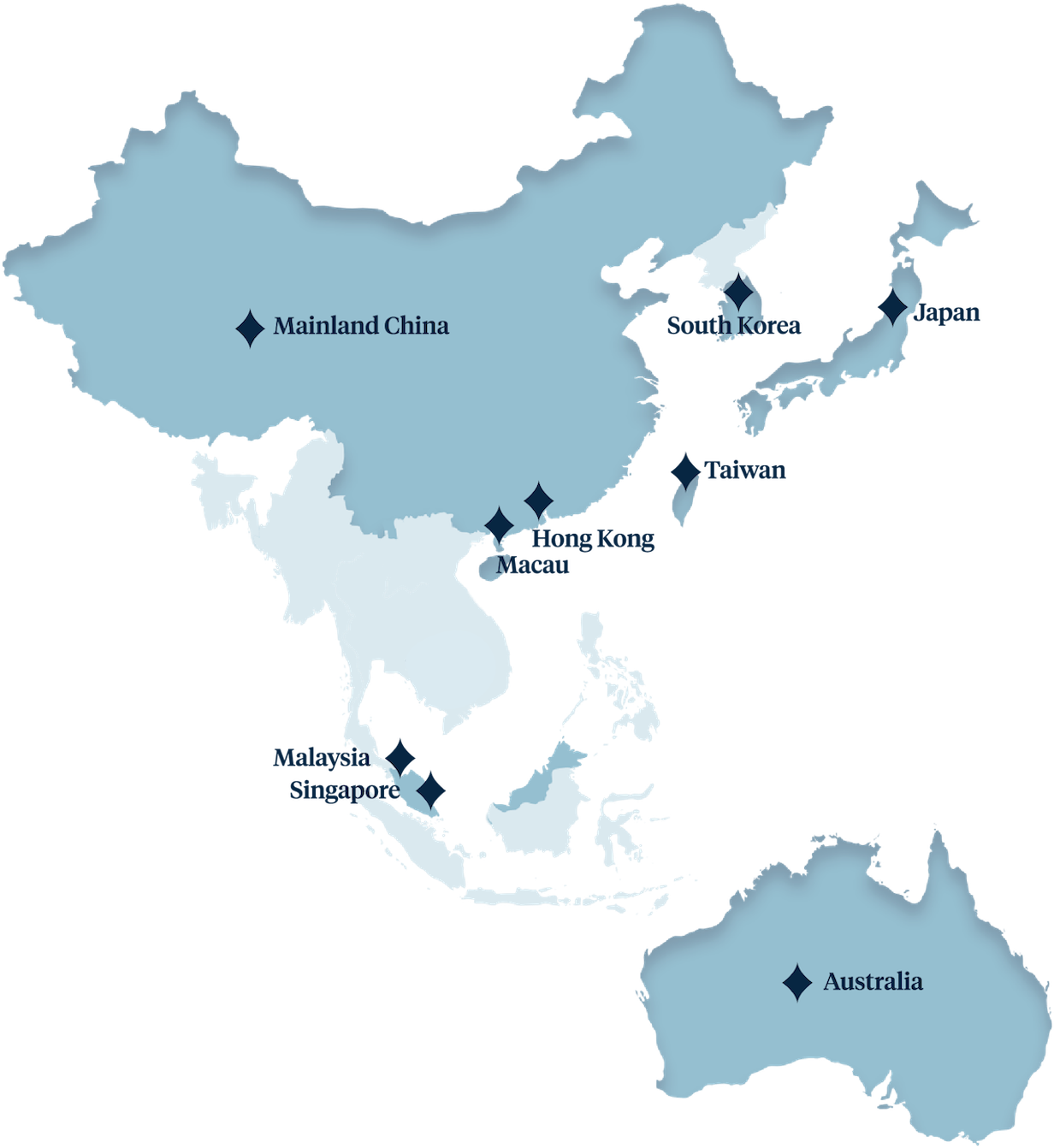
아시아 최고의 리테일
네트워크를 제공합니다
10개 시장에서 임대인, 쇼핑몰, 백화점, 이커머스 및 해외 리테일 업체로 구성된 오랜 파트너 네트워크를 통해 현지 시장에 우리 브랜드를 직접 소개하고 있습니다.
아시아 최고의 리테일
네트워크를 제공합니다
10개 시장에서 임대인, 쇼핑몰, 백화점, 이커머스 및 해외 리테일 업체로 구성된 오랜 파트너 네트워크를 통해 현지 시장에 우리 브랜드를 직접 소개하고 있습니다.
The humble front door has always been a threshold of profound symbolic and legal significance. It marks the boundary between the public square and the private citadel, a line enshrined in the common law adage that “a man’s home is his castle.” In the 21st century, however, this castle is increasingly outfitted with unblinking electronic eyes. The rise of affordable, high-definition, cloud-connected home security cameras—from doorbell cameras like Ring to pan-tilt-zoom indoor units—has fundamentally altered the nature of domestic security. While these devices offer genuine peace of mind and a demonstrable deterrent effect against property crime, they also constitute a profound, often unexamined, encroachment upon the very privacy they are meant to protect. The central challenge of our era is not whether we should use these technologies, but how we can reconcile the legitimate desire for home security with the equally fundamental right to privacy for our neighbors and ourselves.
The primary privacy concern with modern security cameras is the vulnerability of the cloud. When you view your camera feed on your phone, that data is traveling through the internet.
Because the safest home isn't the one with the most cameras. It's the one where the owners know exactly when to watch—and when to look away.
The "always-on" nature of these systems introduces several ethical and technical risks:
The primary justification for home security cameras is intuitively powerful: safety. A visible camera can deter package thieves, vandals, and potential burglars. Video evidence aids police in identifying suspects and exonerating the wrongly accused. For the elderly or those living alone, a camera offers a virtual window to check on loved ones or monitor for intruders. This is the functional promise of the technology—a rational response to perceived risk in an uncertain world.
The Leaky Boundary: Privacy in Public?
Privacy and Consent: In the context of hidden camera content, privacy and consent are paramount. The creation and distribution of content involving individuals without their explicit consent can be highly problematic and illegal in many places.
Google Search Results: You can request the removal of non-consensual explicit imagery from Google Search results through the Google Help Center.
Keep Firmware Updated: Security vulnerabilities are discovered constantly. Ensure your cameras are set to "auto-update" so they always have the latest patches against hackers. The Verdict
활약 중인 부루벨 브랜드

































부루벨은 인플루언서, 셀러브리티, 소셜 미디어 및 에이전시 파트너로 구성된 현지 네트워크를 활용하여 각 시장의 현지 고객에게 다가갈 수 있도록 날마다 브랜드를 활성화합니다.

Davidoff of Geneva Asia turns 50! We celebrated this milestone anniversary at the iconic Peninsula Hotel in Hong Kong, where the first Davidoff boutique in Asia opened its doors in 1974, with the Bluebell Group. A milestone for both the brand and our Group. mature desi black salwar pissing-hidden cam-

We are proud to introduce Bateel Boutique to the Singapore market. The award-winning luxury retailer of organic dates and gourmet products has opened its first location in Takashimaya on Orchard Road, marking the brand's exciting entry into the South East Asian region. The Watcher at the Door: Reconciling Home Security