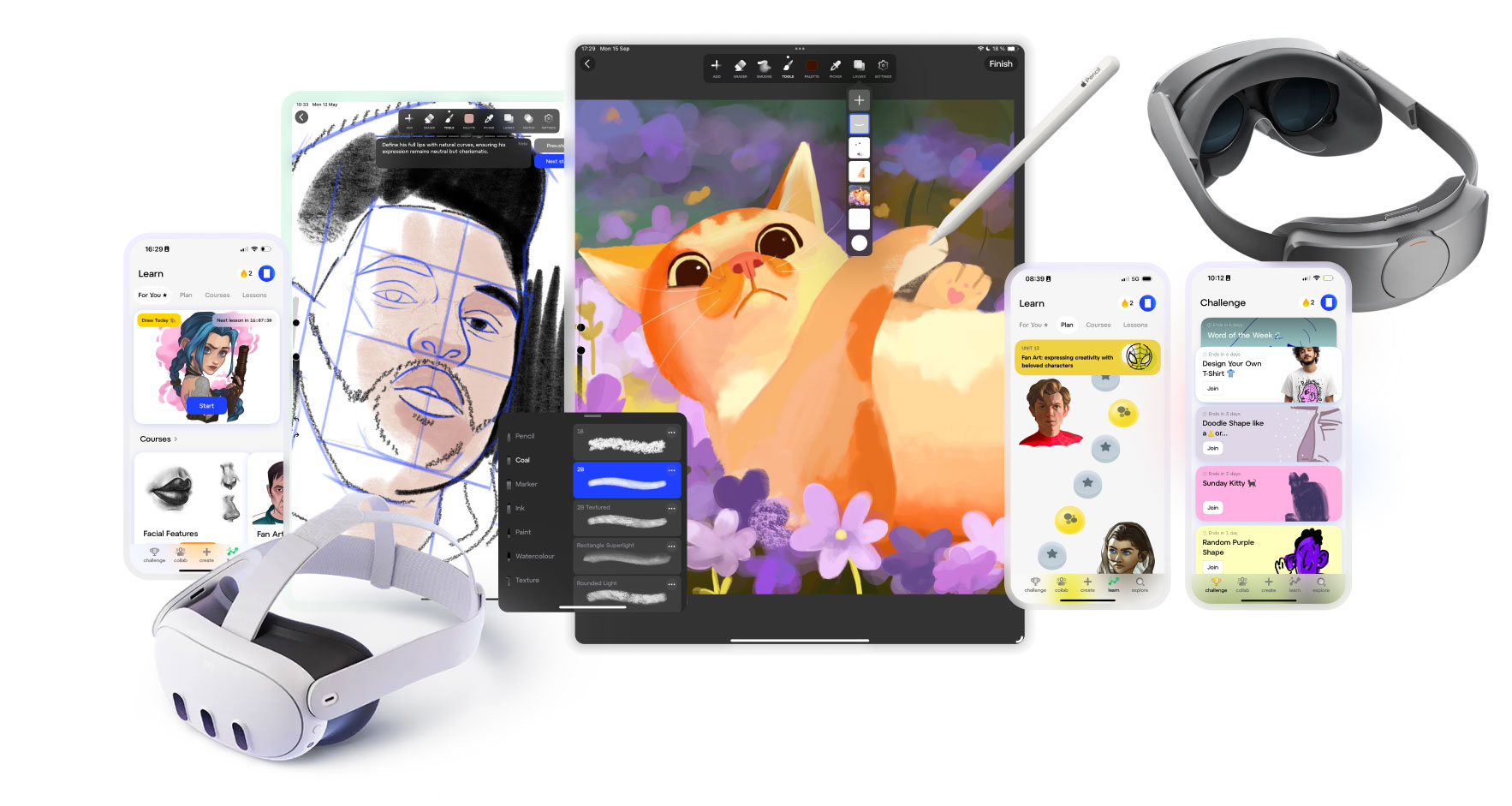
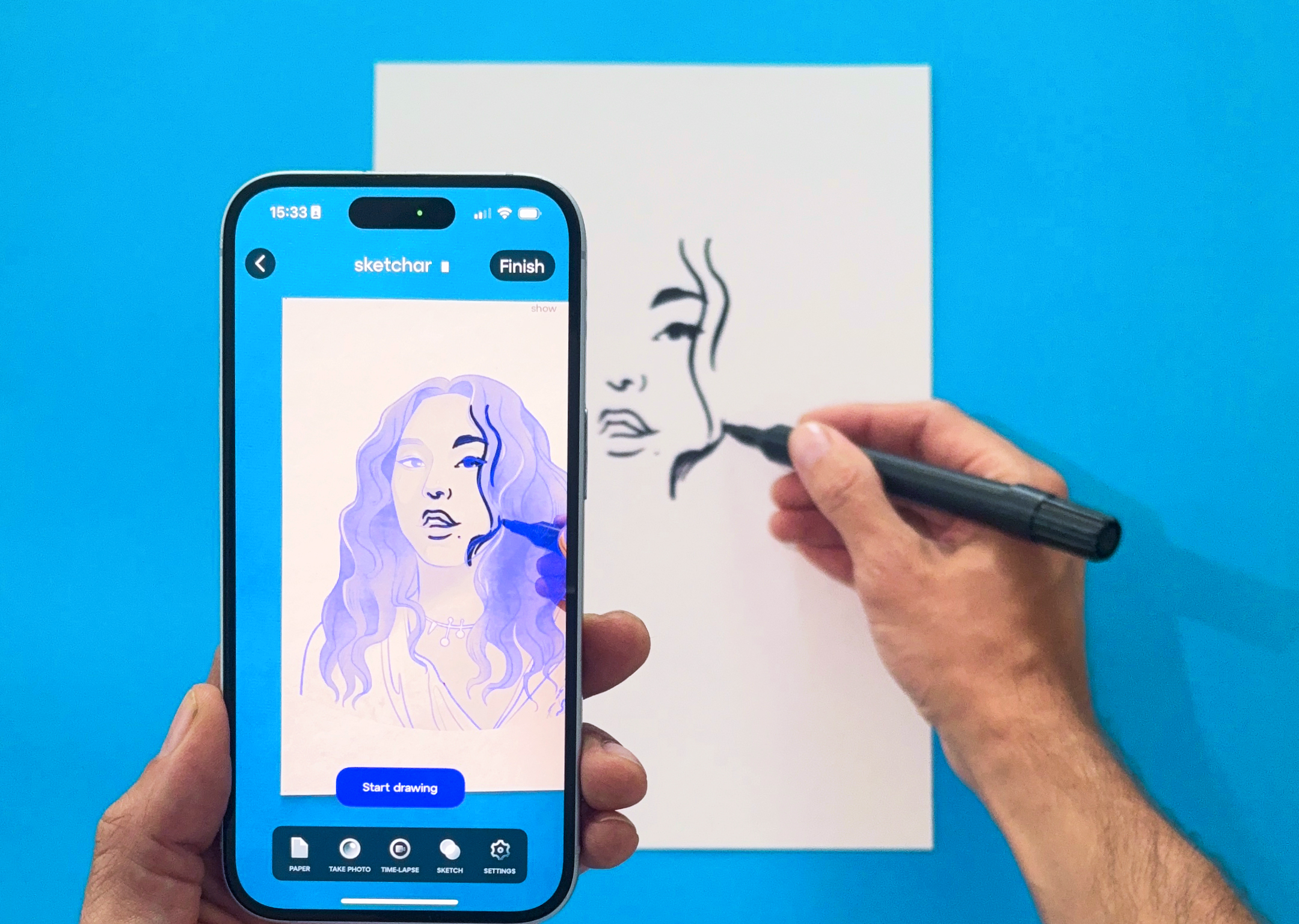
Sketchar is a drawing app that projects sketches onto real surfaces – paper, walls, murals using augmented reality.




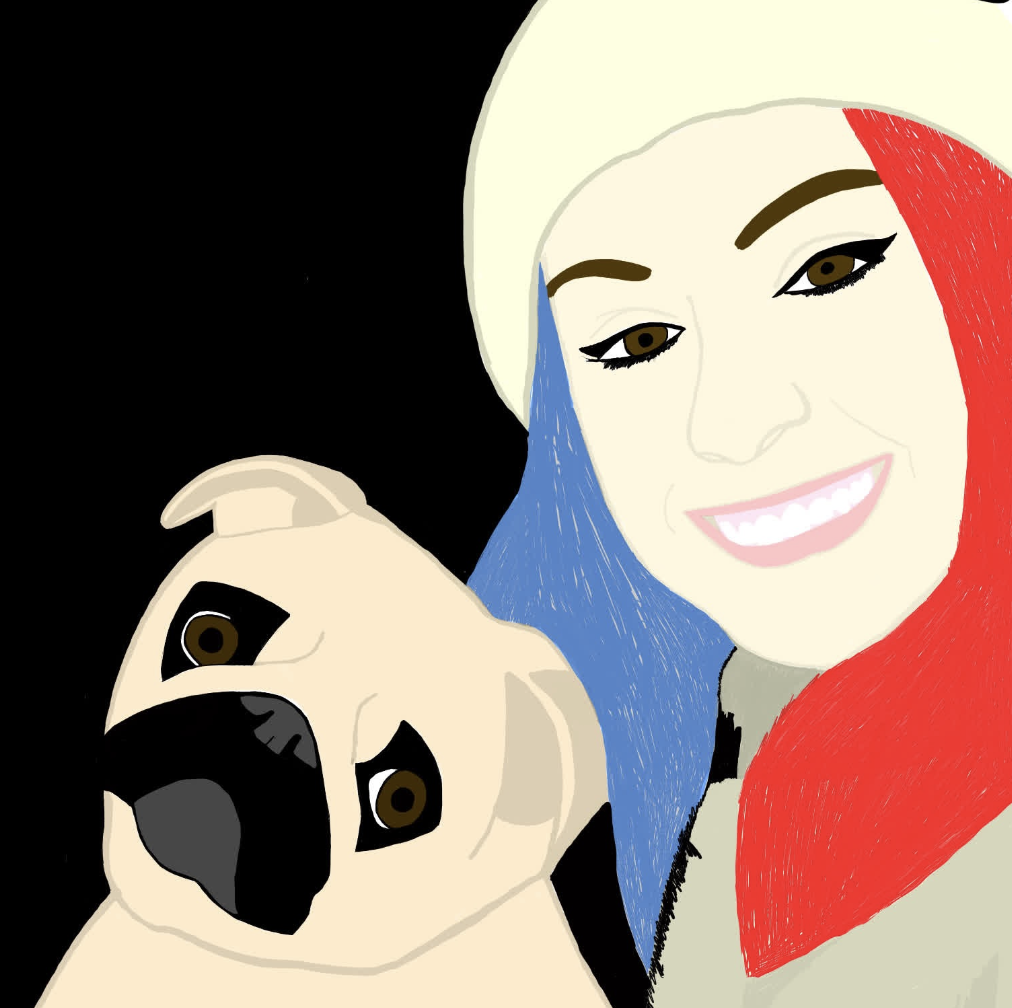
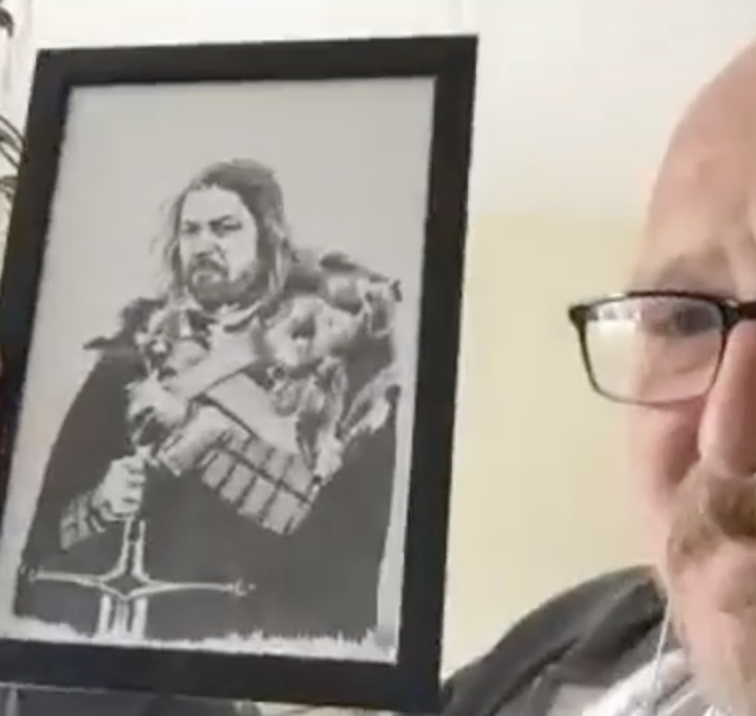

Trusted by 13M+ creators and 100K+ mural artists worldwide.


Master drawing with augmented reality and 1000+ detailed courses and persinalized drawing plan
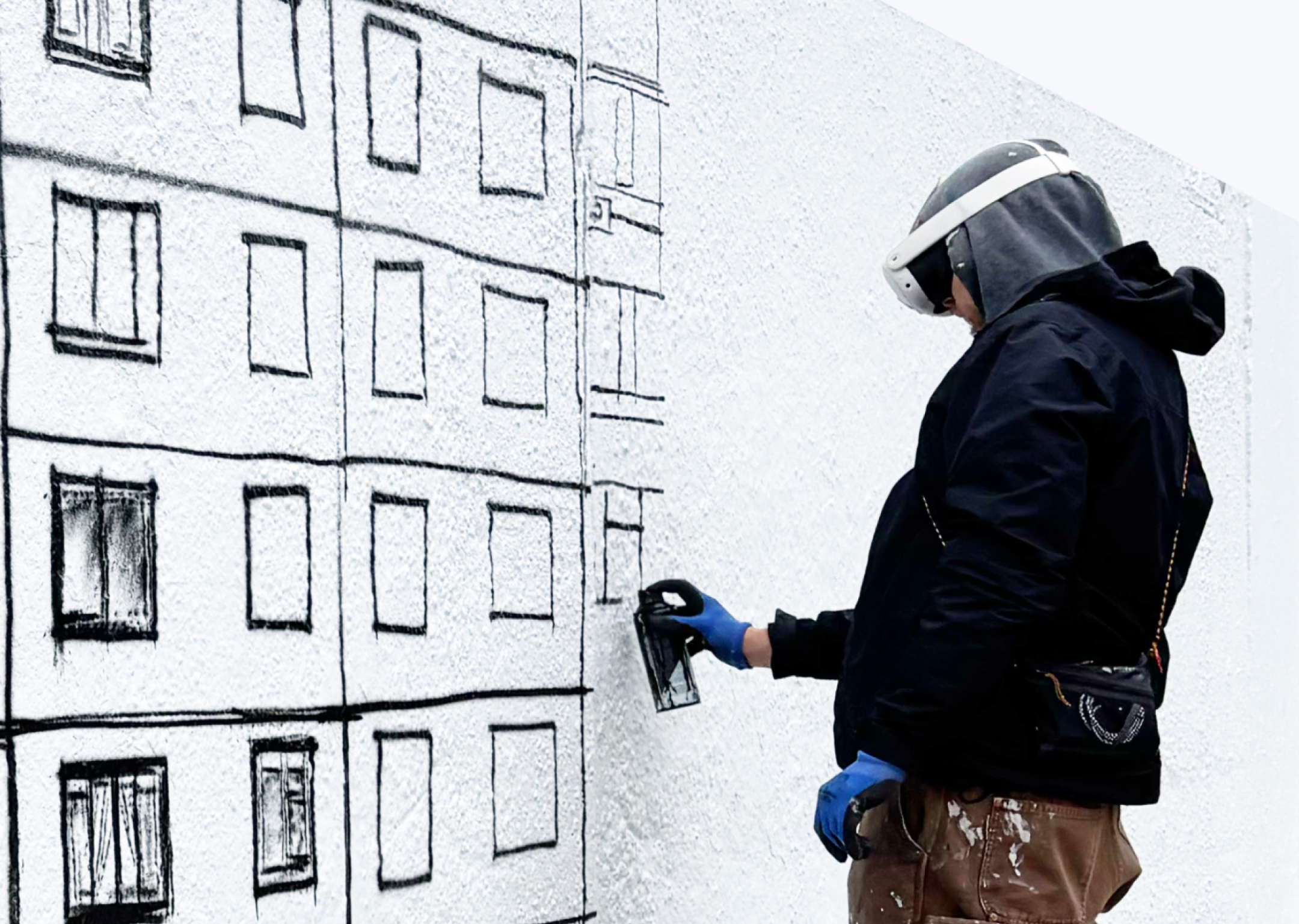
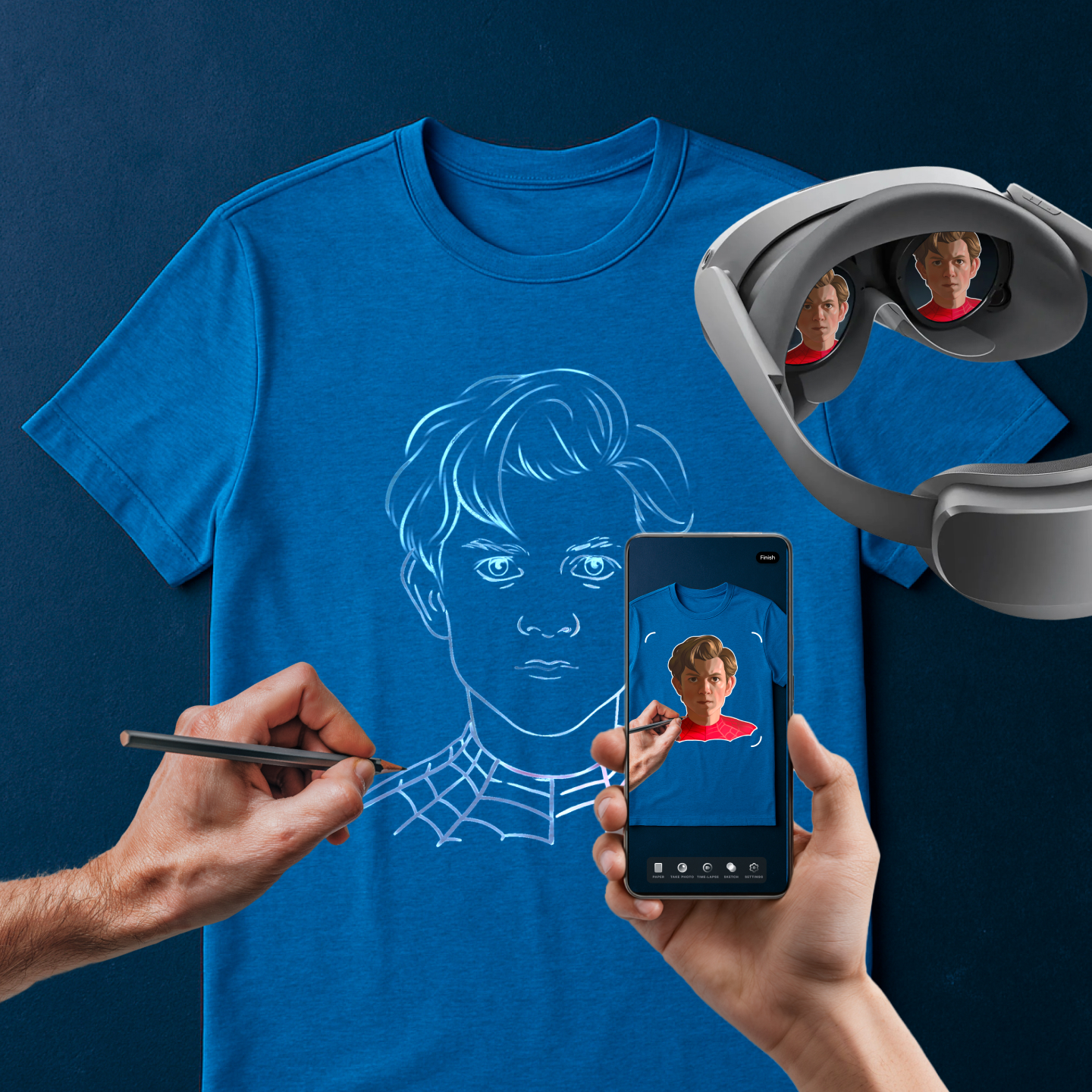
Speed up mural creation process. Sketchar on Meta Quest or Pico to project your sketches onto any surface instantly.
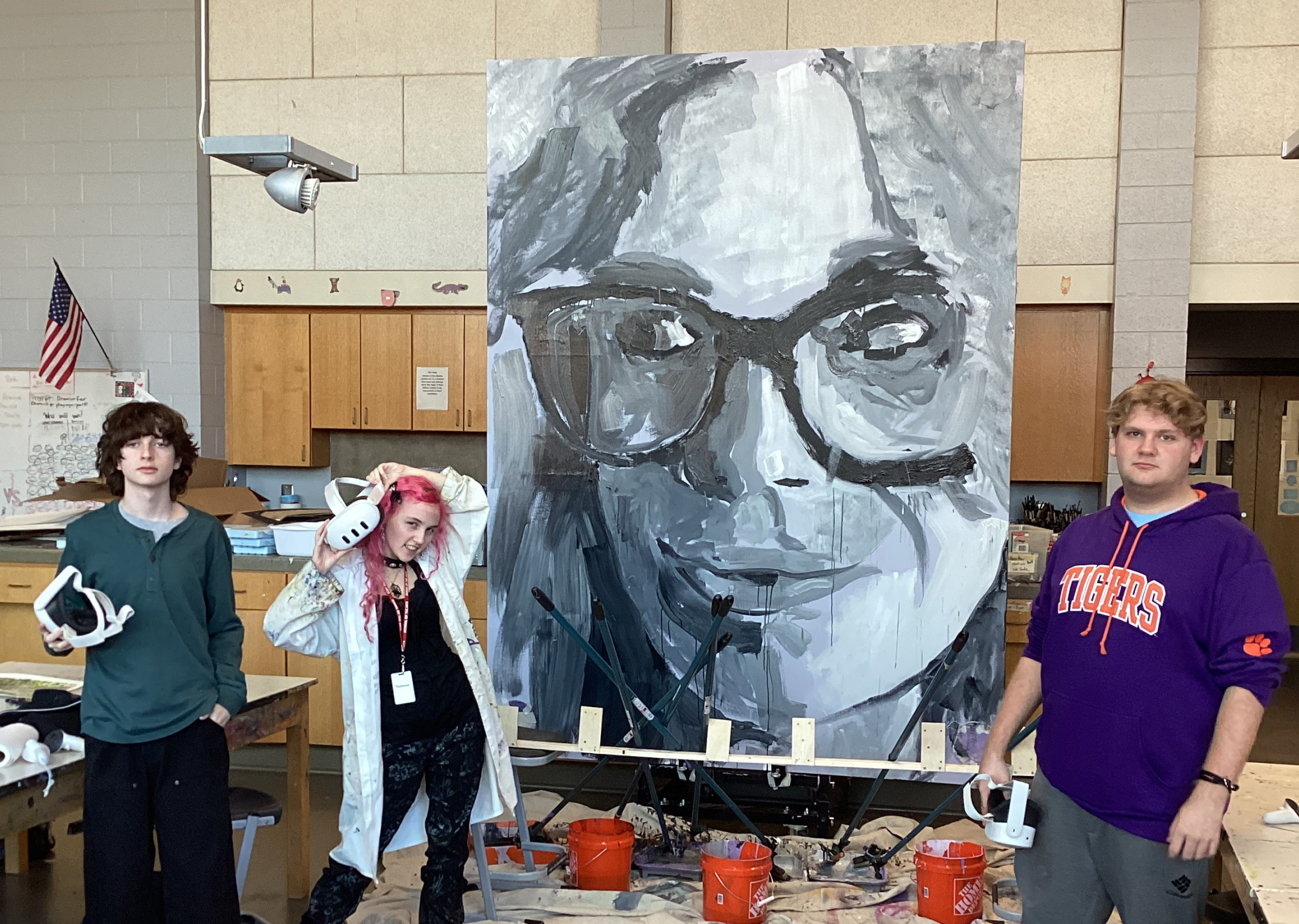
Trusted by art educators worldwide - from Cambridge to classrooms in 20+ countries
As featured in










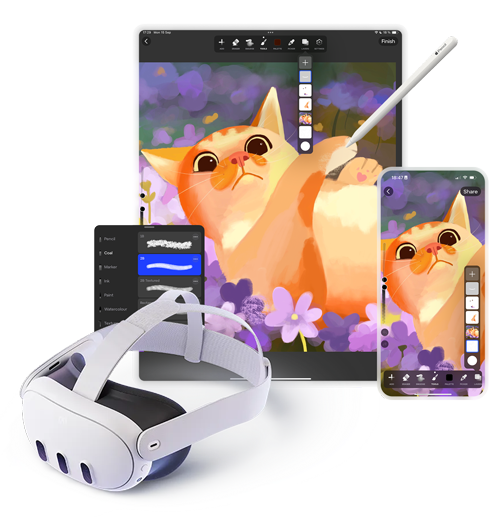
You can sketch on Sketchar mobile app and then bring those skethes to the real world with Sketchar on VR headsetst: paper, canvas, walls, or anywhere.

Available on iOS, Android, Quest 3, Pico
From beginner to PRO
Drop images from mobile to VR in seconds
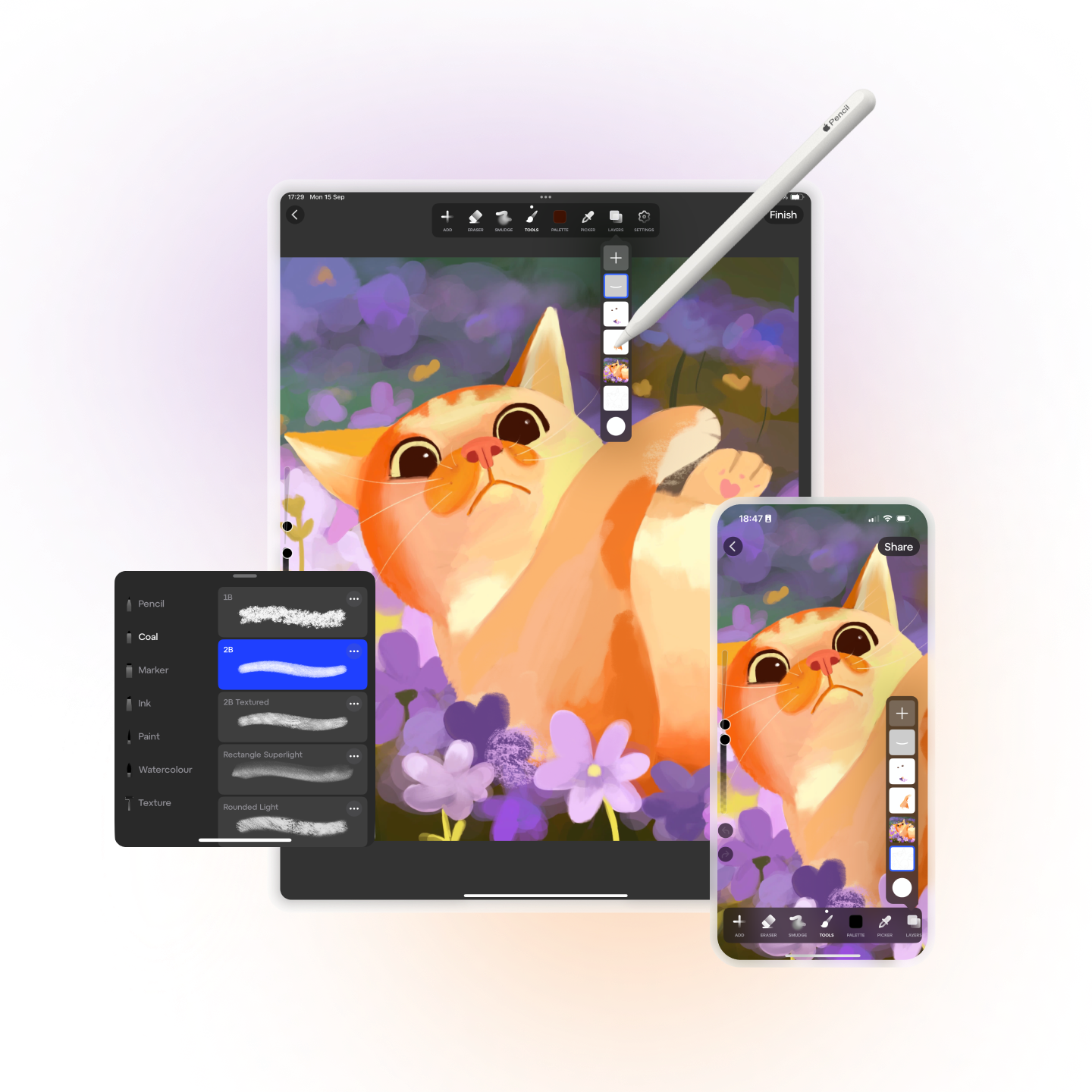
The built-in digital canvas lets you create and edit paintings and drawings using tools like brushes, layers, automatic stroke smoothing, time-lapsed process recording, and a unique liquid brush and then send them directly to the Sketchar on VR headsets namaste frontend system design patched
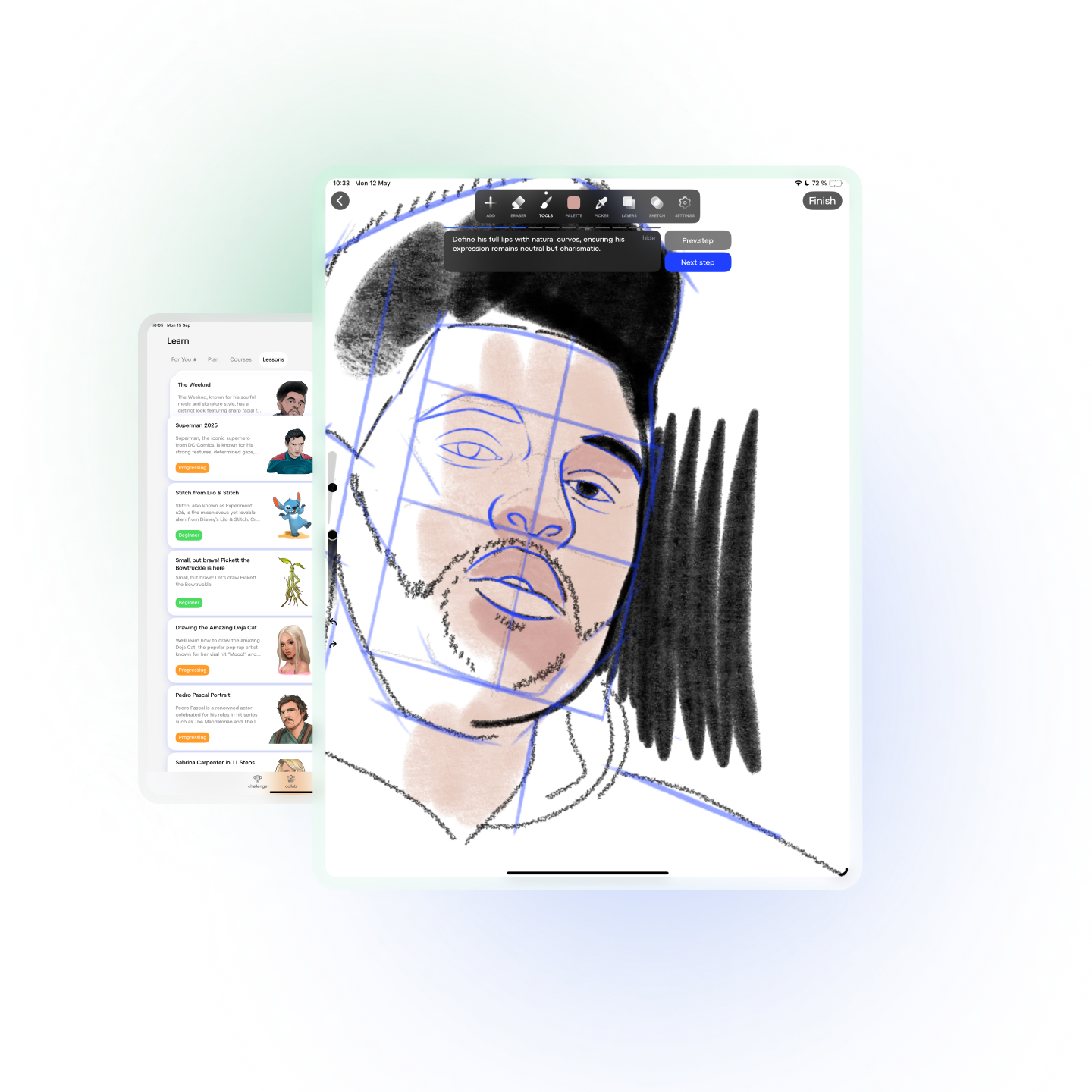
Access over 1000+ detailed drawing lessons on topics like anime, portraits, celebrities, fan dart, animals, landscapes, and more.
Unique own library of drawing courses
Personalized growth plan
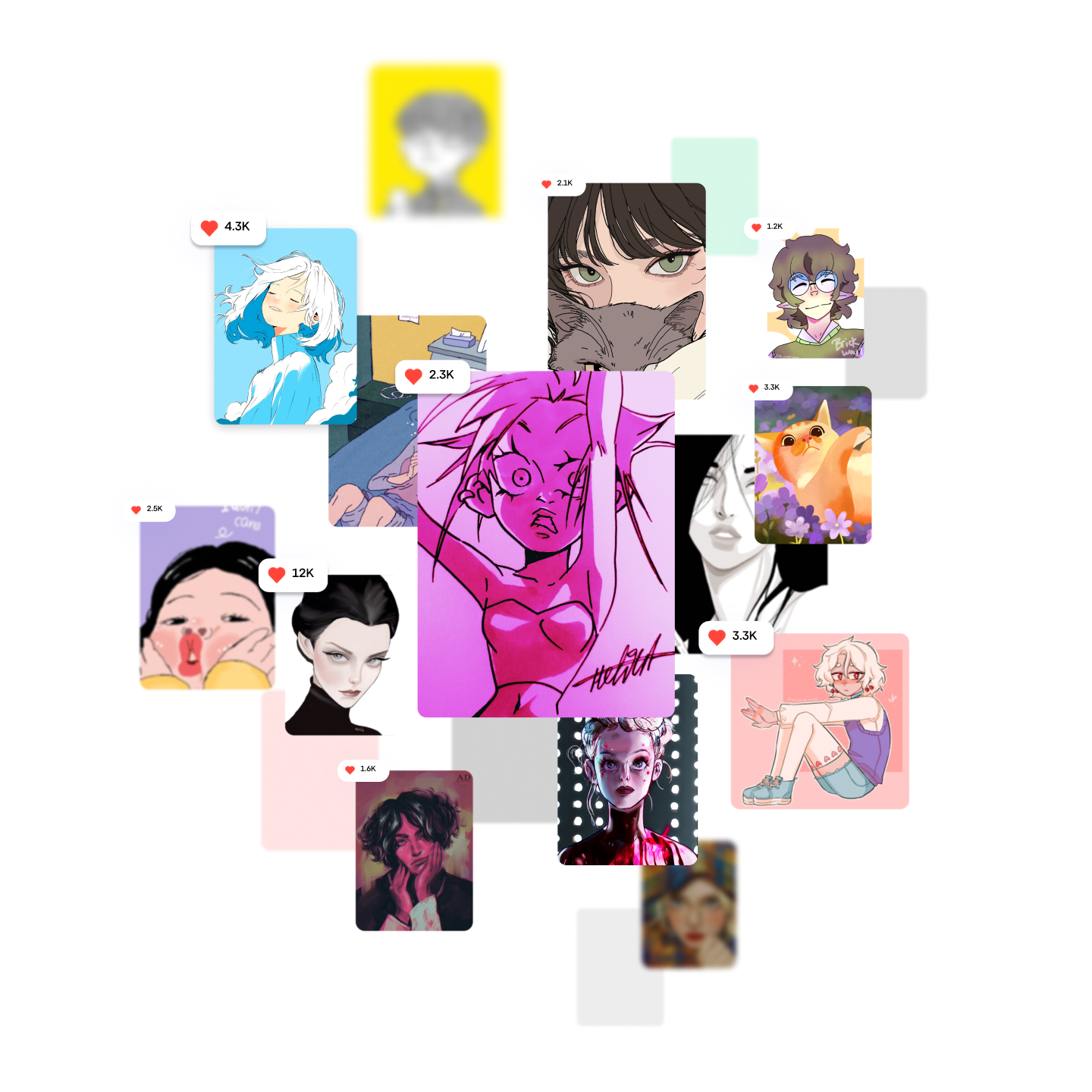
Share your creations with millions on Sketchar, connect with experienced artists, and bring unique ideas to life. Build a public profile, showcase your portfolio, join weekly interactive contests, explore artworks, and more 🙏 Namaste Frontend System Design: The "Patched" Guide
Start 7 days free trial
Sketchar project any virtual image on a real surface allowing bringing ideal to real life. Learn how to draw with AR.
Try our now!
Forget projectors and grids. Use Sketchar on Meta Quest or Pico to project your sketches onto any surface instantly. Work in daylight — no setup, no cables, no waiting.
Learn more
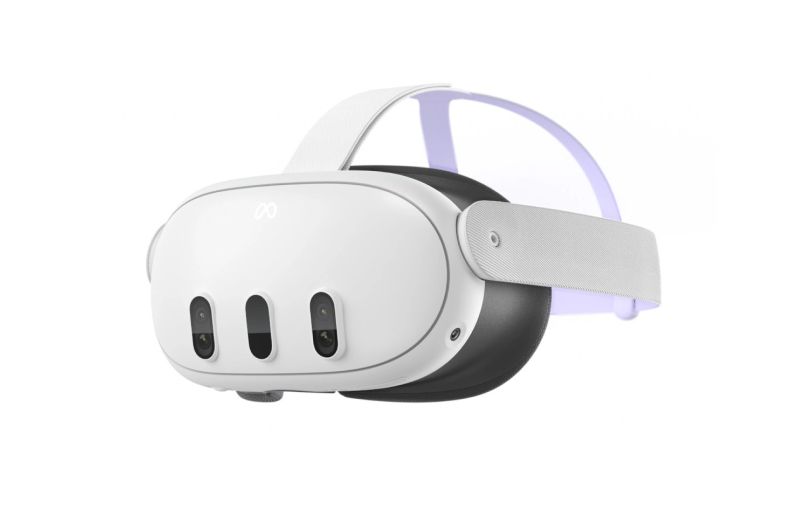
Meta Quest 3/3s/Pro
Enjoy Sketchar AR drawing on Meta Quest – one of the most powerful VR headsets on the market
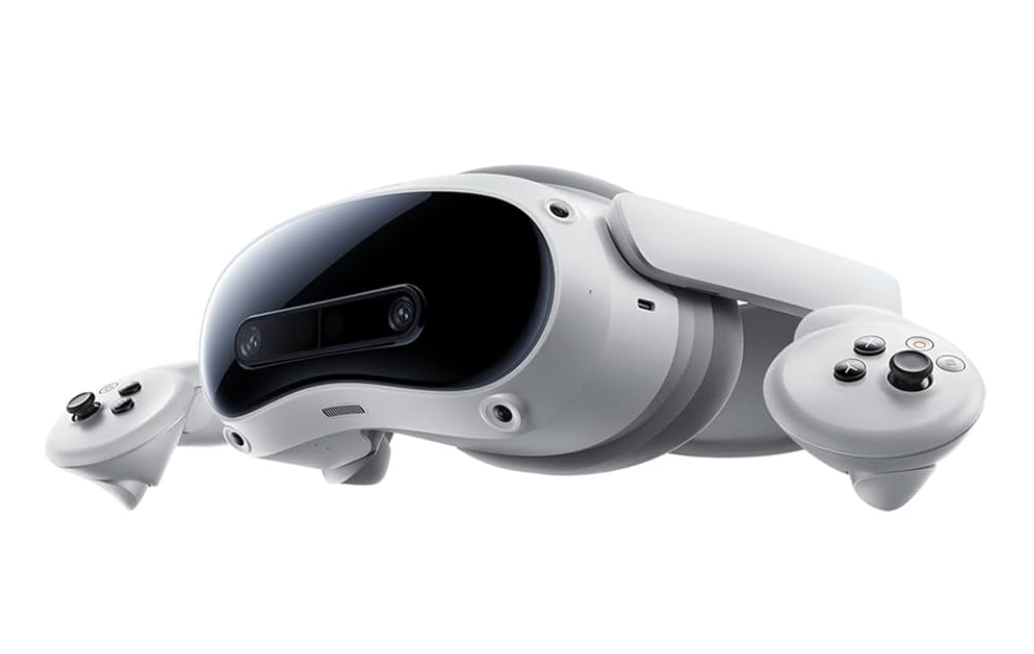
Pico 4 Ultra
Sketchar AR Drawing on Pico 4 Ultra brings immersive mural projection to standalone VR. Trusted by 100K+ mural artists worldwide.
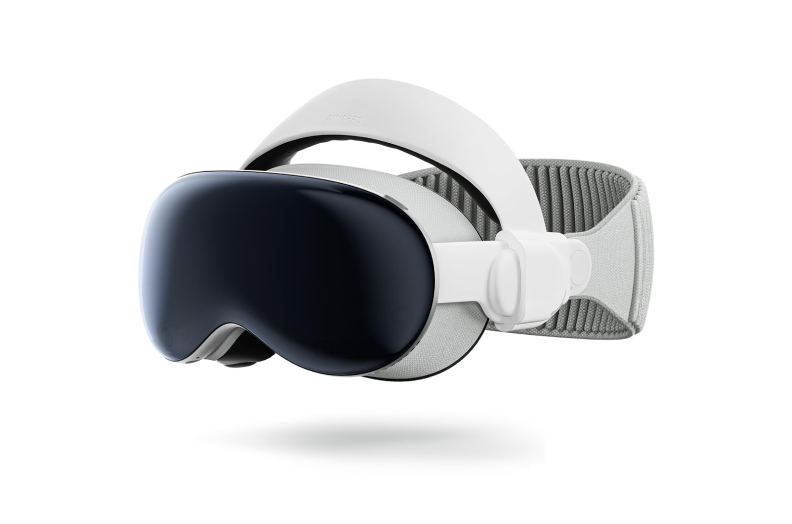
Apple Vision Pro
Sketchar for the revolutionary mixed reality headset from Apple is the next step of our experience for AR Drawing
Coming soon
This document is a structured summary of the core concepts required to ace a Frontend System Design interview. It follows the "Namaste" philosophy of deep diving into the "Why" before the "How," updated with modern best practices.
key correctly (not index) and use useMemo for derived state.script-loader with timeout and sandboxing.The patch was 23 lines of code. He wrote it during lunch.
Arjun had three days to redesign the "Namaste Frontend" dashboard—a real-time devotional events tracker used by 2 million concurrent users during festivals. The original system, built by a junior team two years ago, was a monolith of React components, Redux sagas, and a WebSocket soup. During last month's Ganesh Chaturthi, the entire UI froze for 45 minutes. The CEO called it "the digital version of a stampede."
WebSockets vs. SSE: When to use bi-directional communication versus server-push for real-time updates (like live dashboards).
This is now a mandatory pattern in production.
This document is a structured summary of the core concepts required to ace a Frontend System Design interview. It follows the "Namaste" philosophy of deep diving into the "Why" before the "How," updated with modern best practices.
key correctly (not index) and use useMemo for derived state.script-loader with timeout and sandboxing.The patch was 23 lines of code. He wrote it during lunch.
Arjun had three days to redesign the "Namaste Frontend" dashboard—a real-time devotional events tracker used by 2 million concurrent users during festivals. The original system, built by a junior team two years ago, was a monolith of React components, Redux sagas, and a WebSocket soup. During last month's Ganesh Chaturthi, the entire UI froze for 45 minutes. The CEO called it "the digital version of a stampede."
WebSockets vs. SSE: When to use bi-directional communication versus server-push for real-time updates (like live dashboards).
This is now a mandatory pattern in production.
Start 7 days free trial
Find Sketchar on the AppStore and Google play

Or, use your phone's camera to scan and download Sketchar app.

Sketchar™ is a mobile app that uses AR to empower mural artists and drawing fans to create art and master their craft with confidence. Join 14M+ community now!