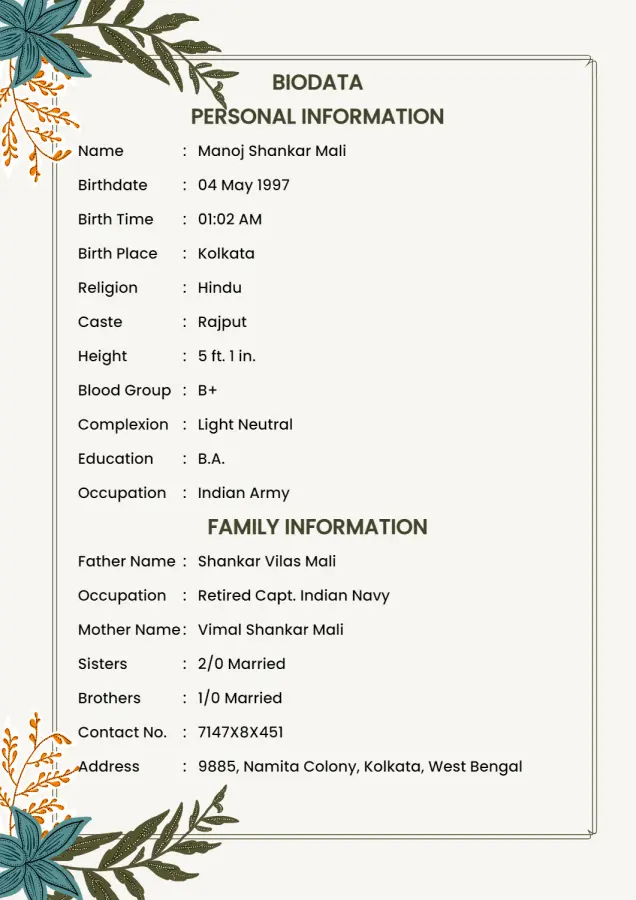
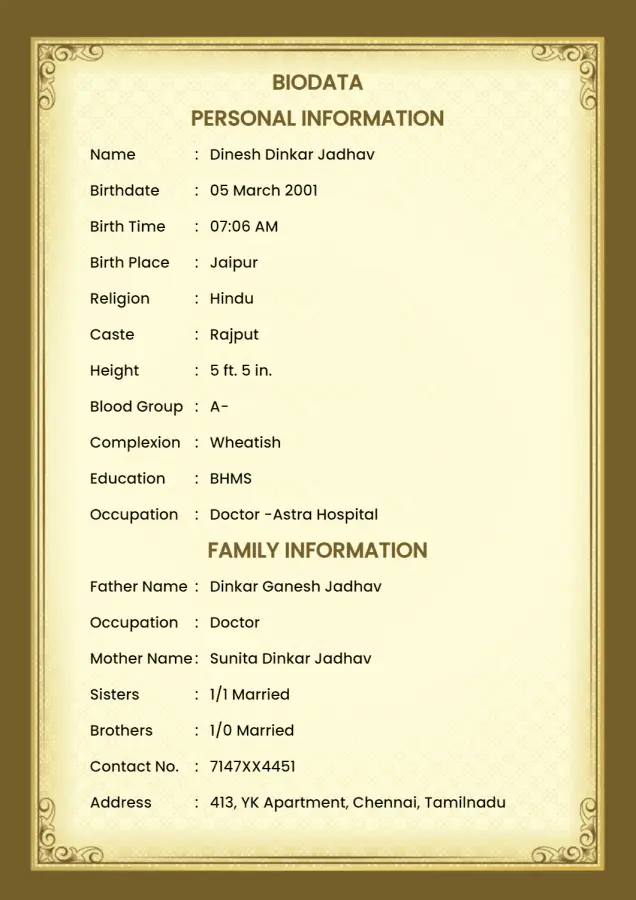
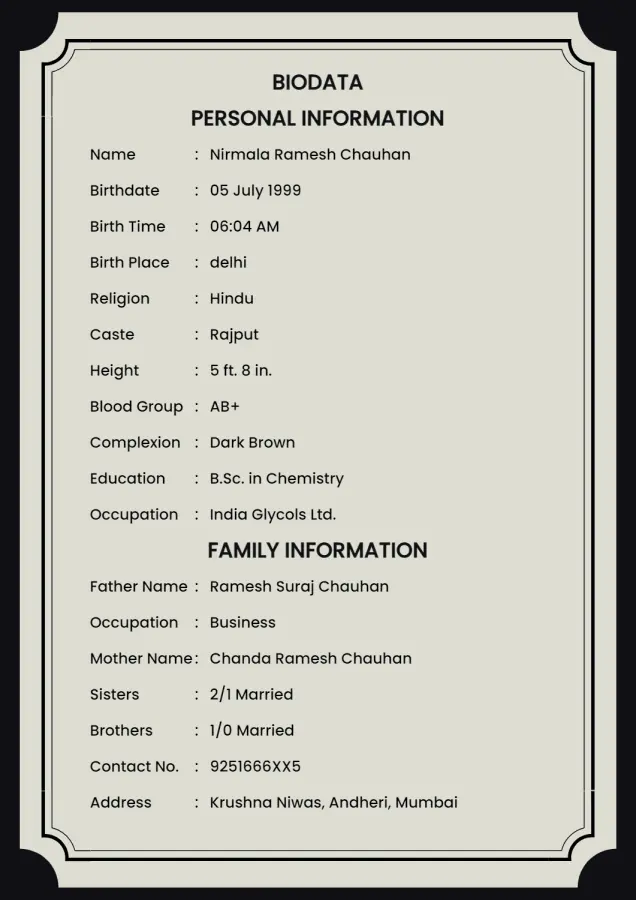
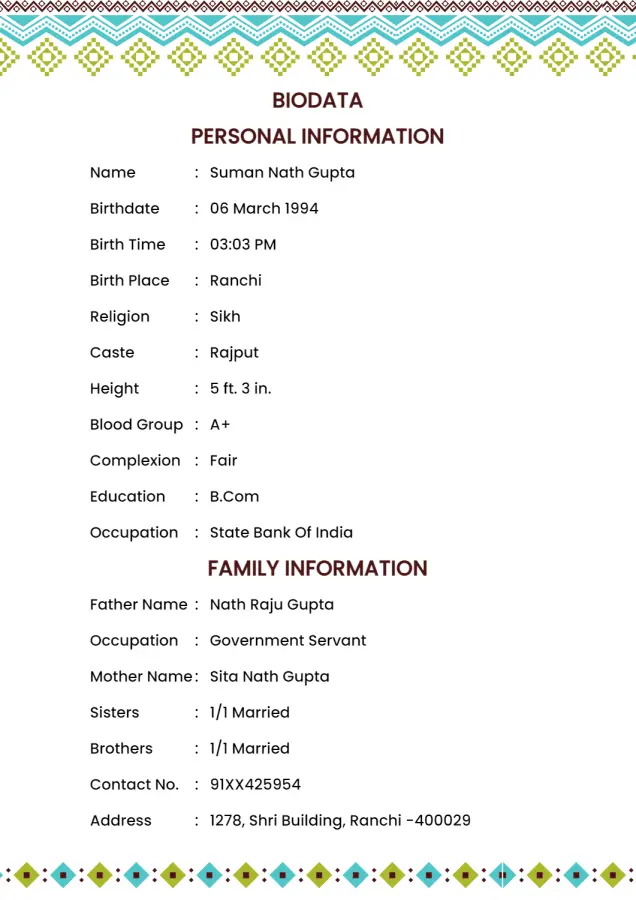
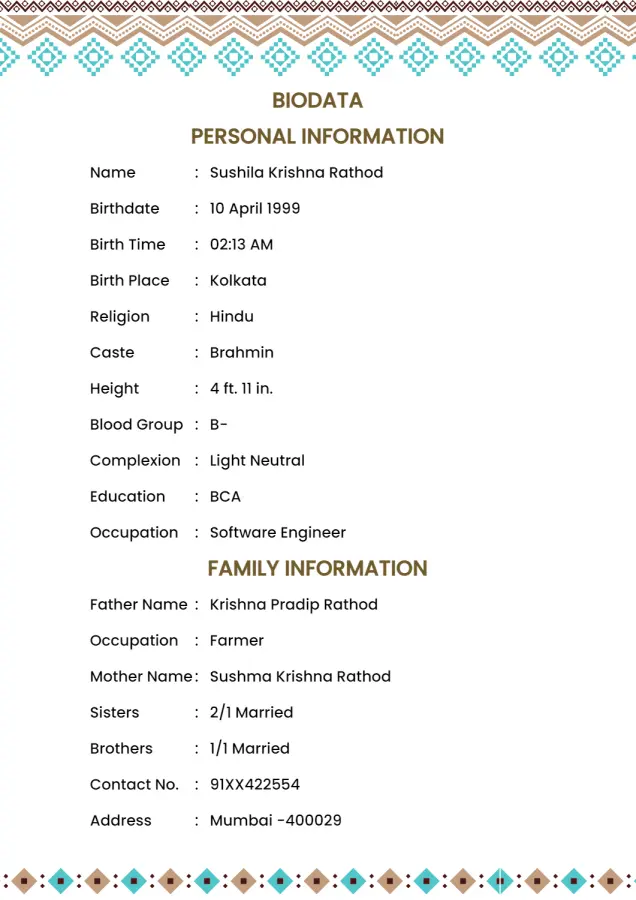
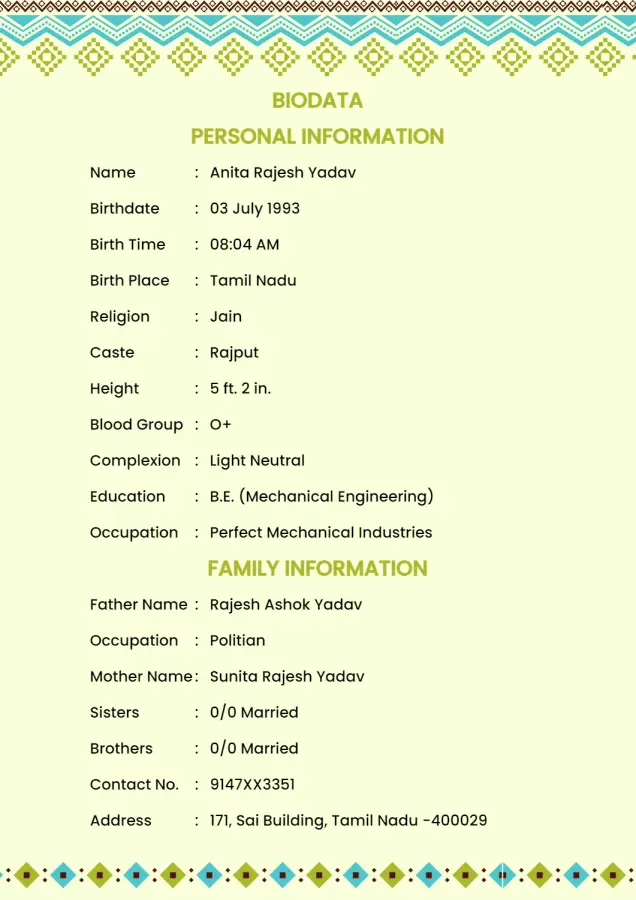
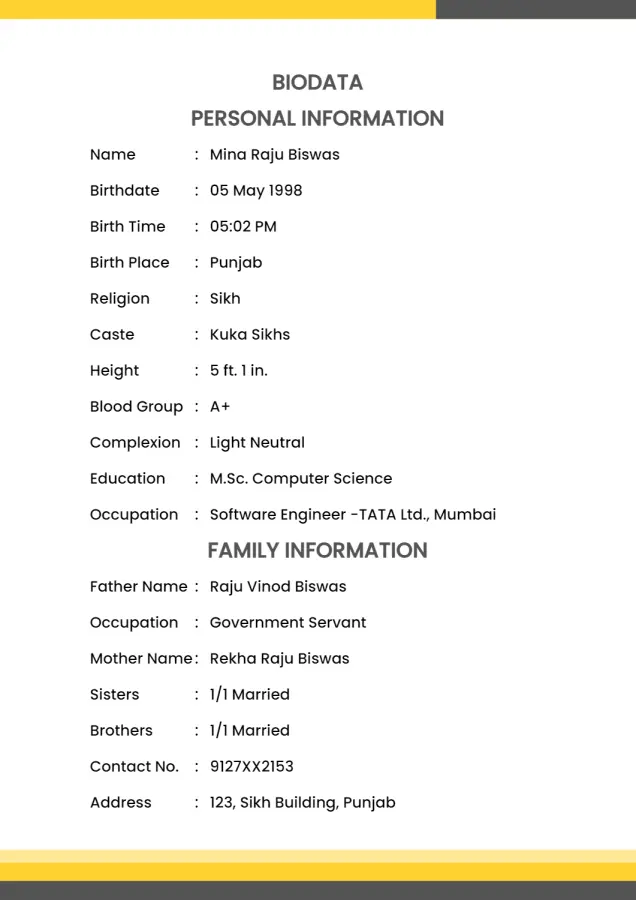
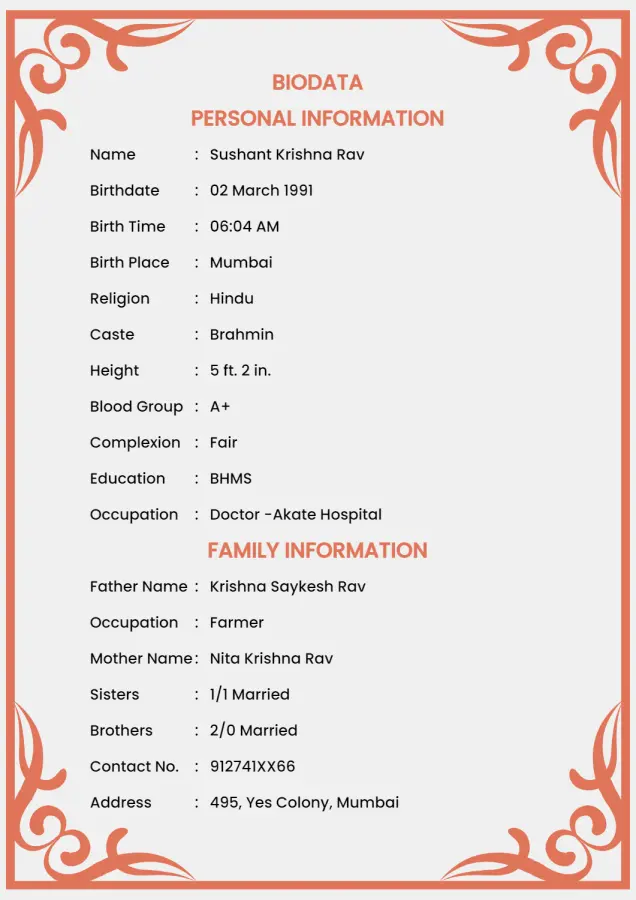
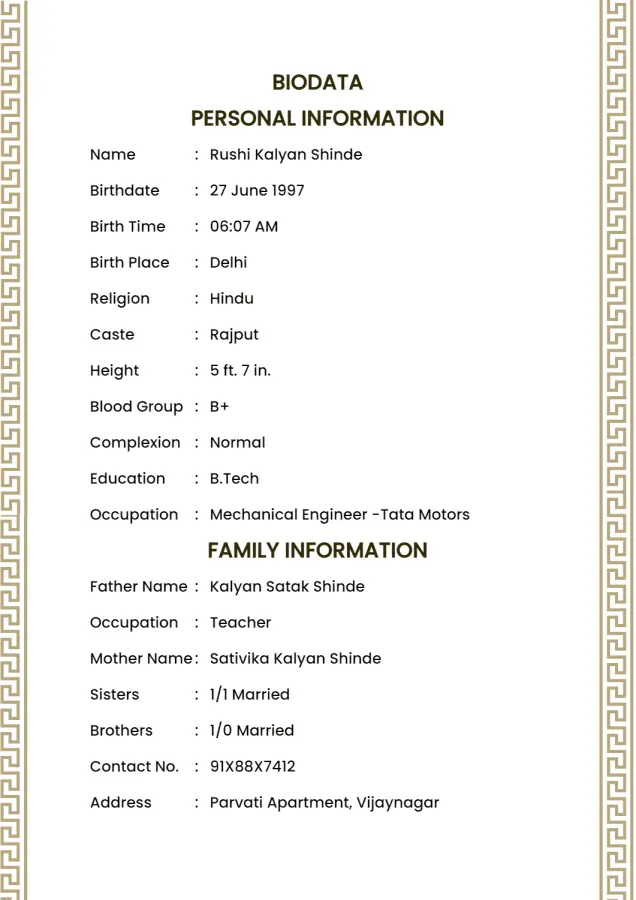
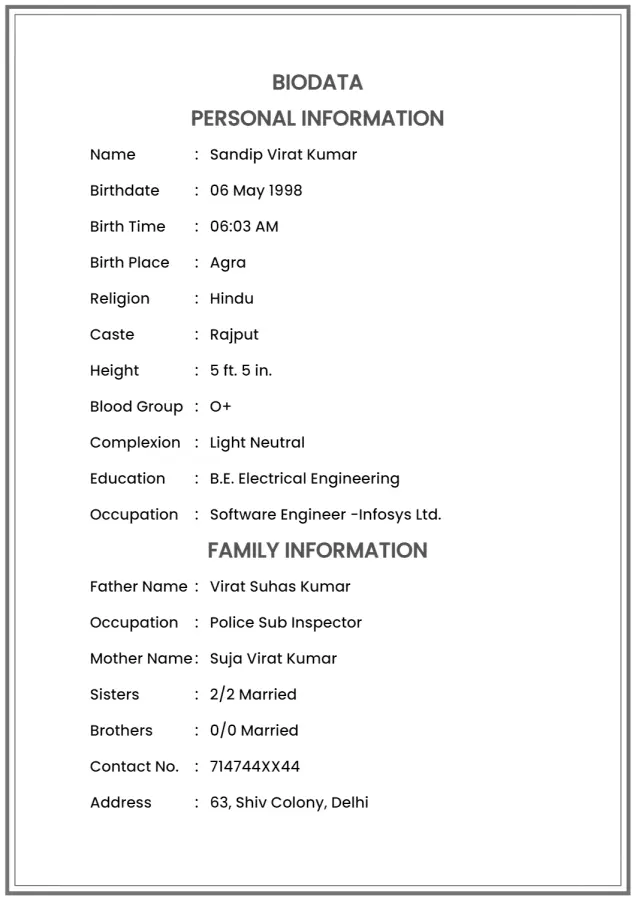
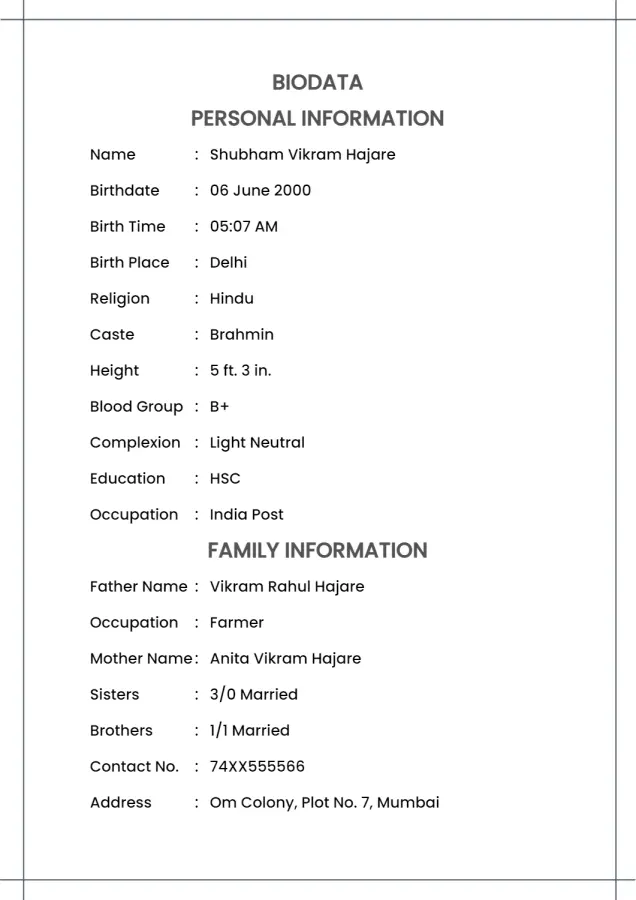
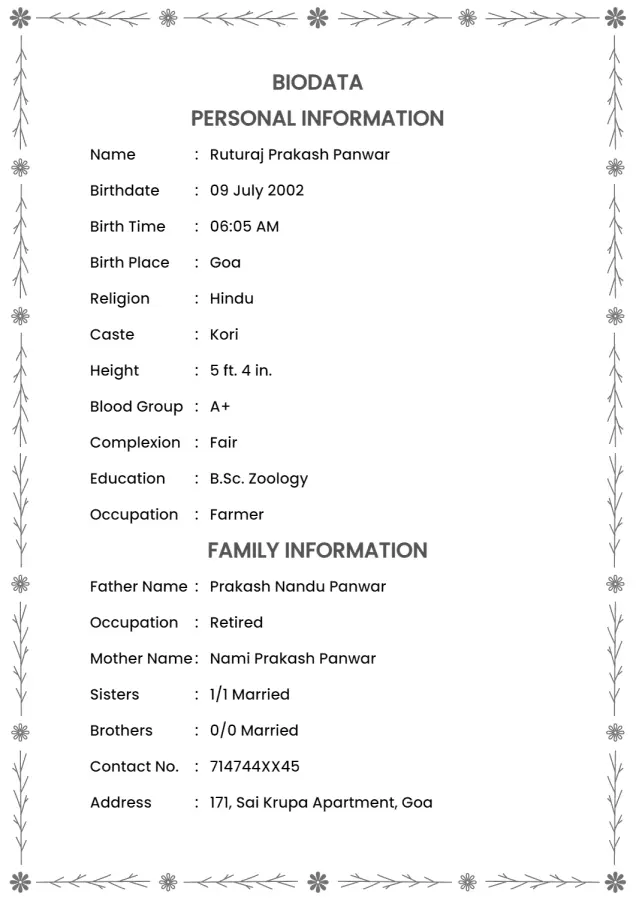
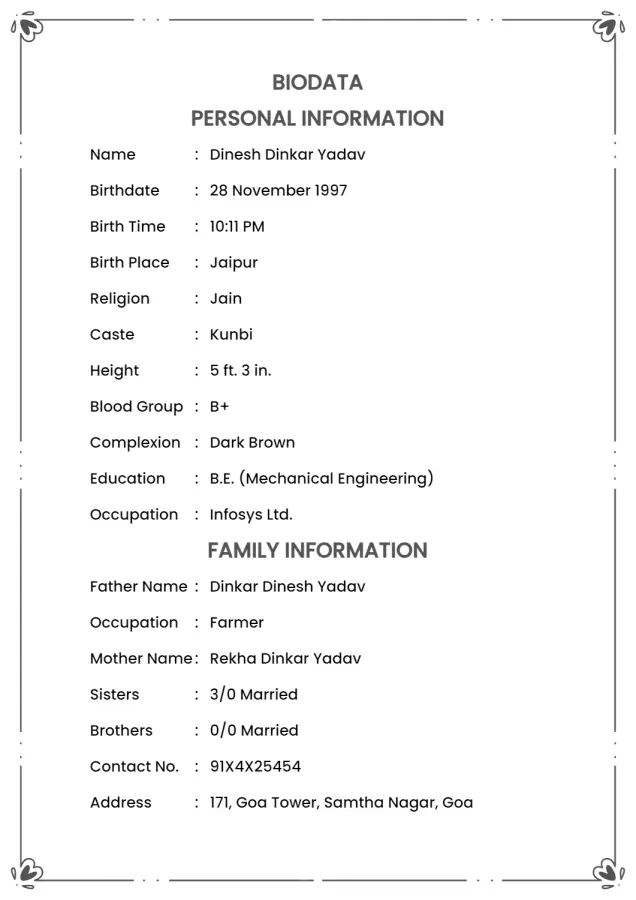
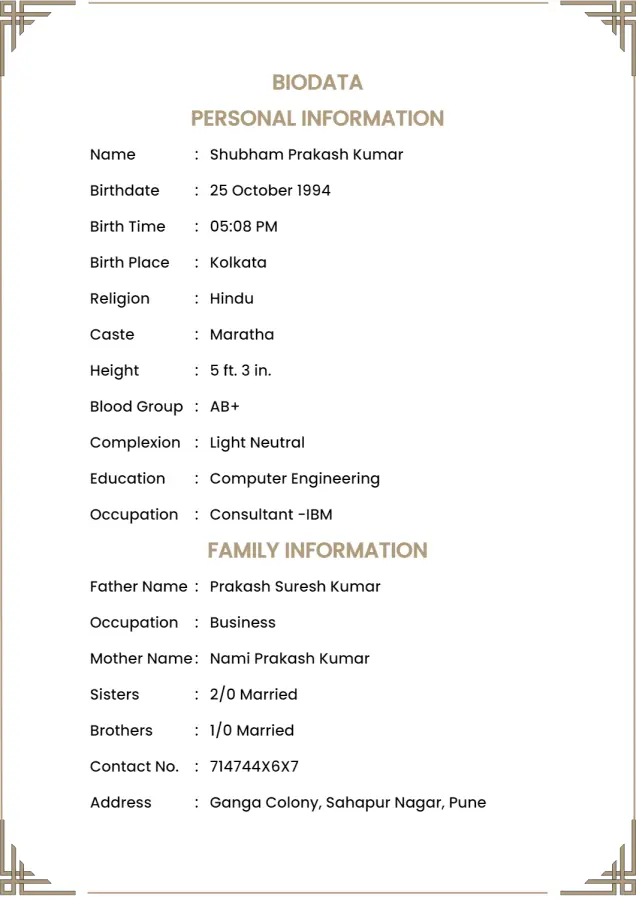
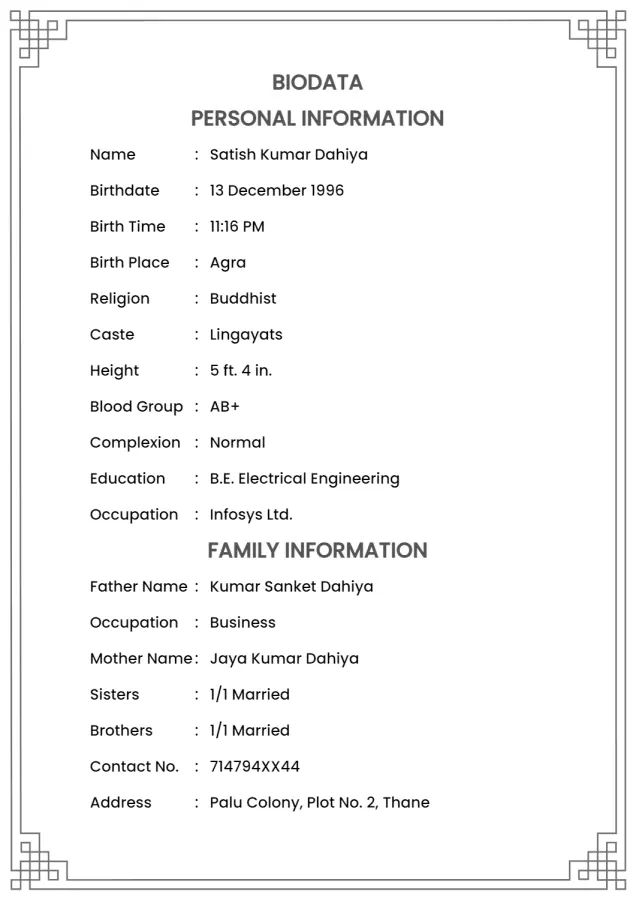
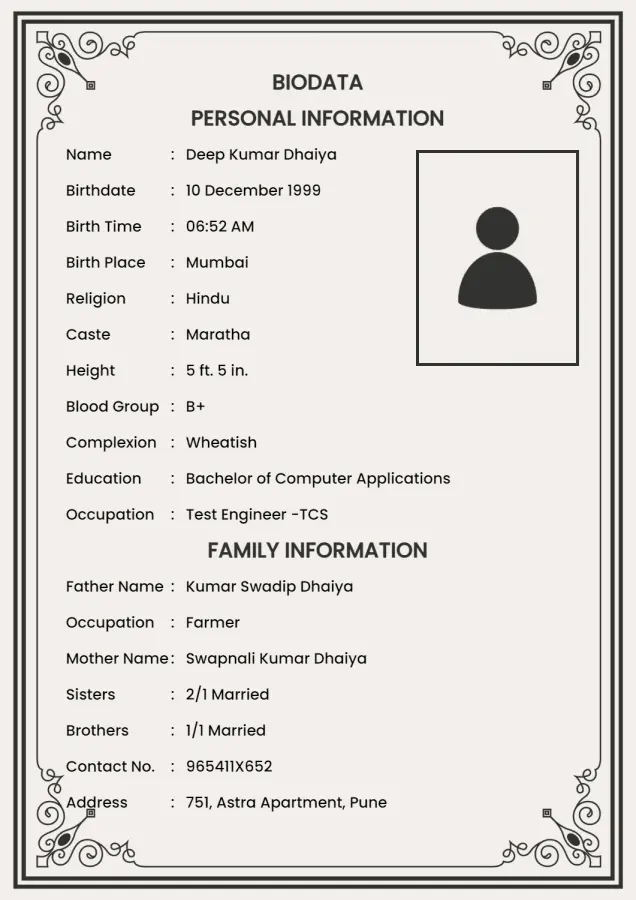
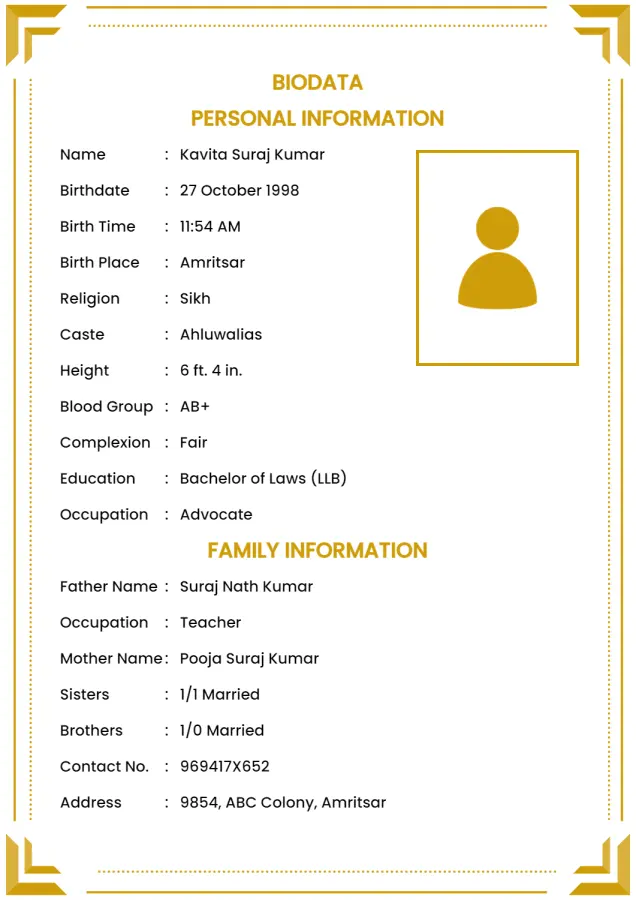
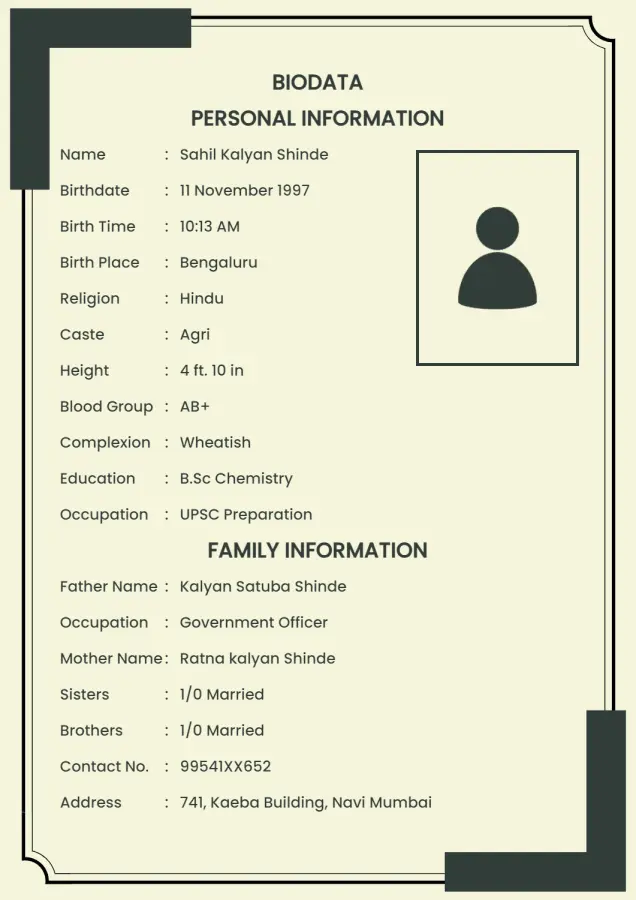
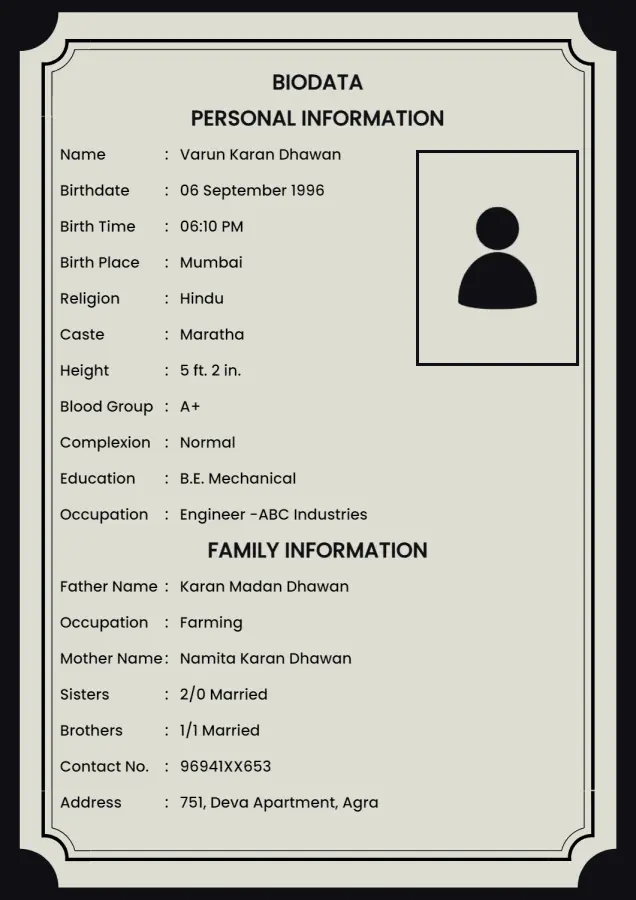
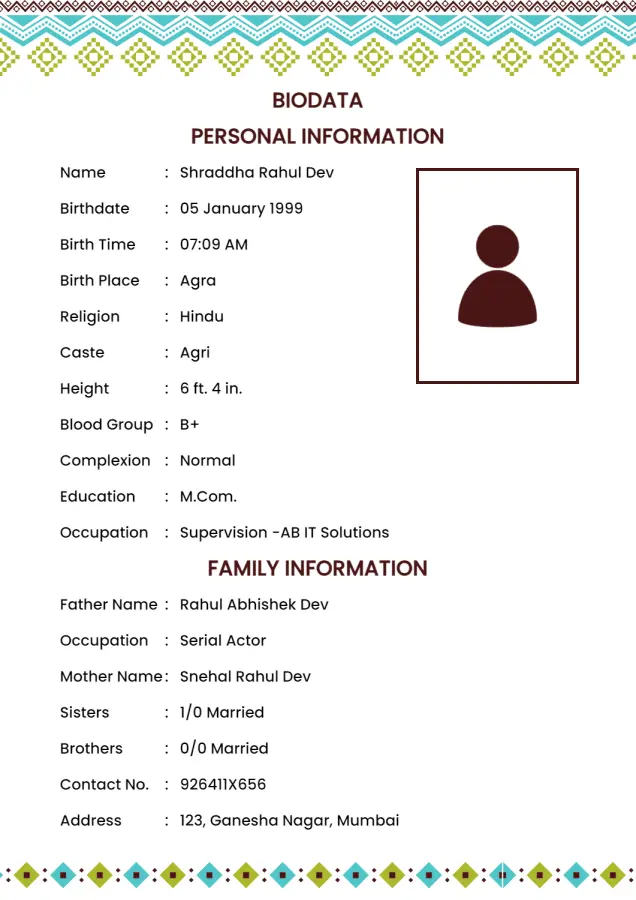
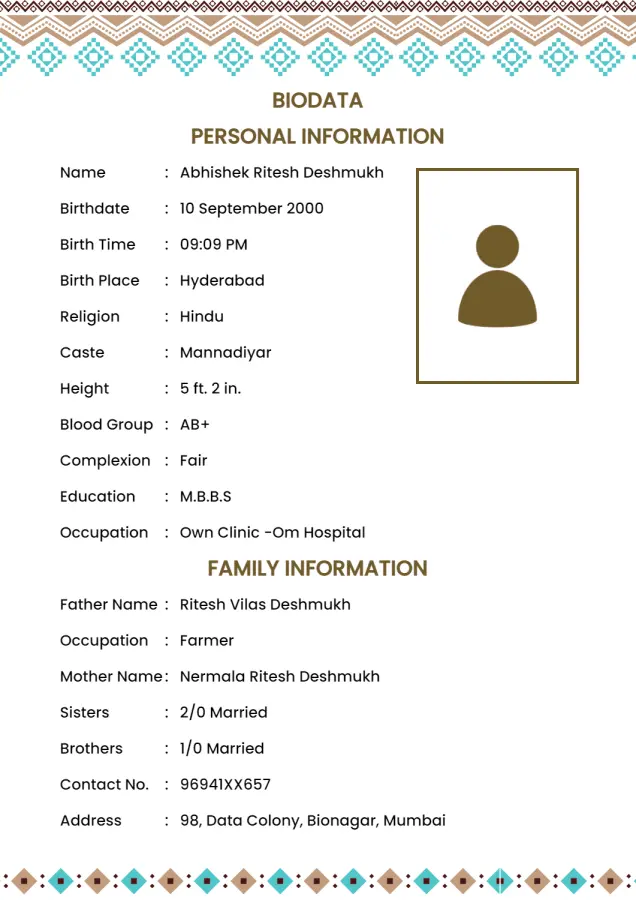
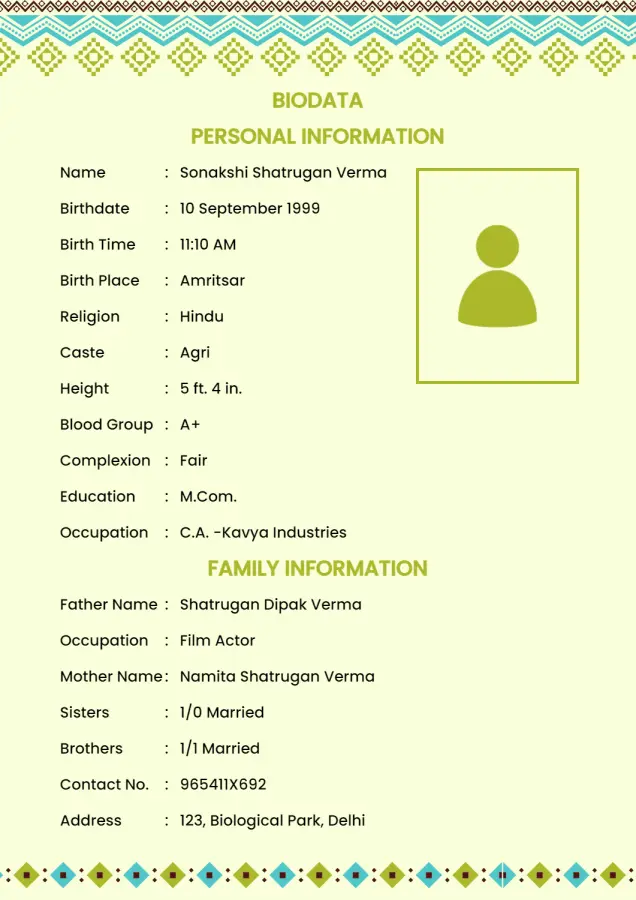
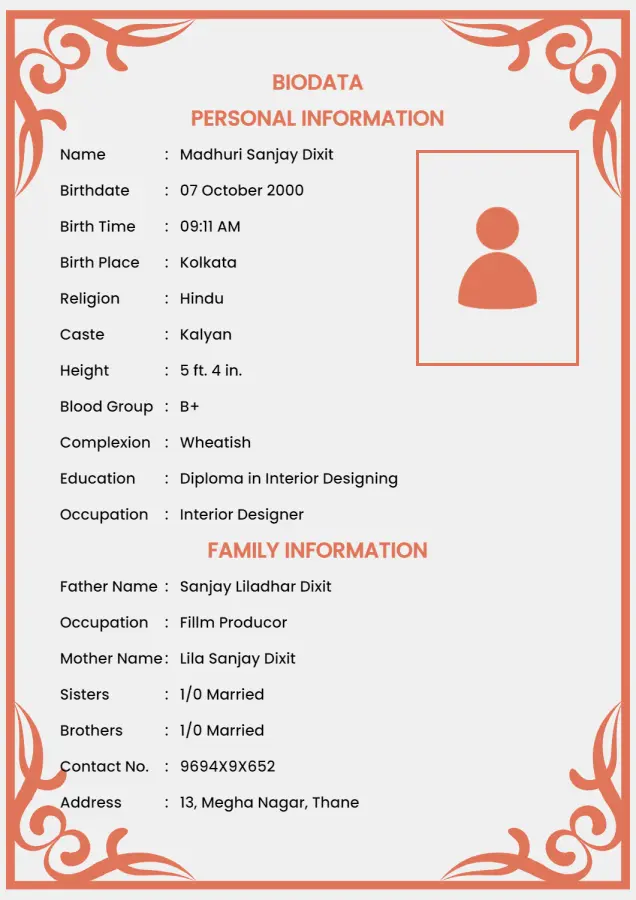
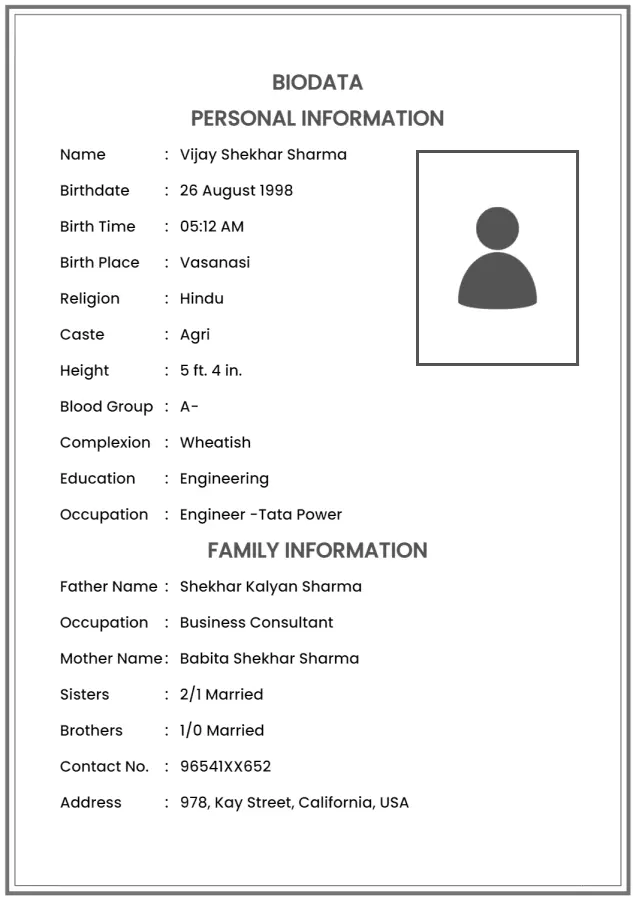
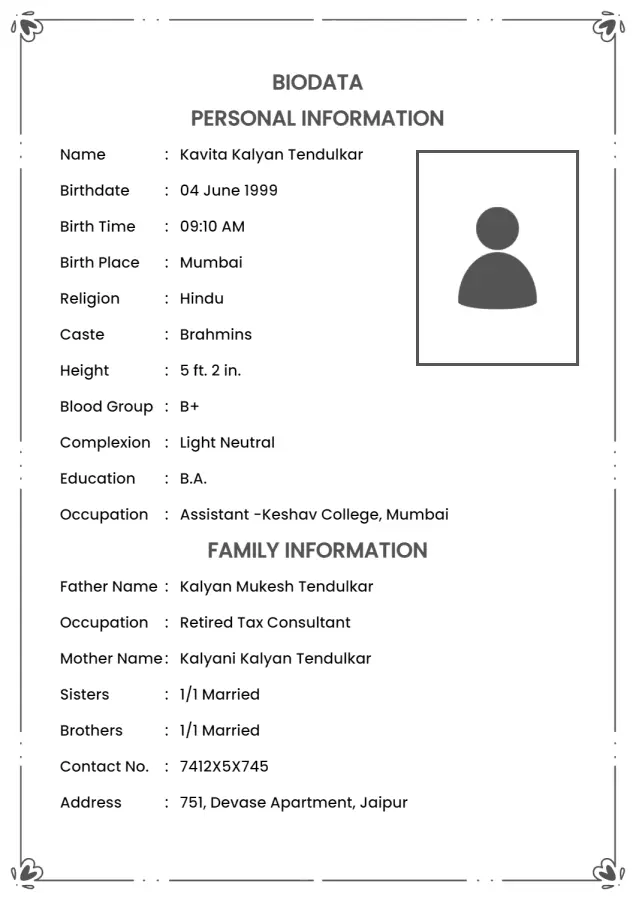
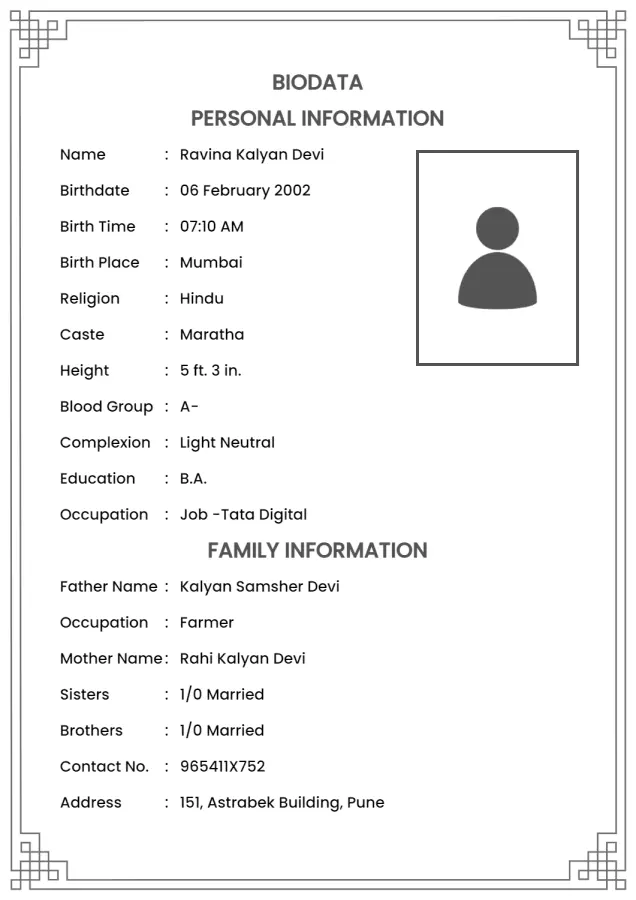
Create Your Marriage Biodata
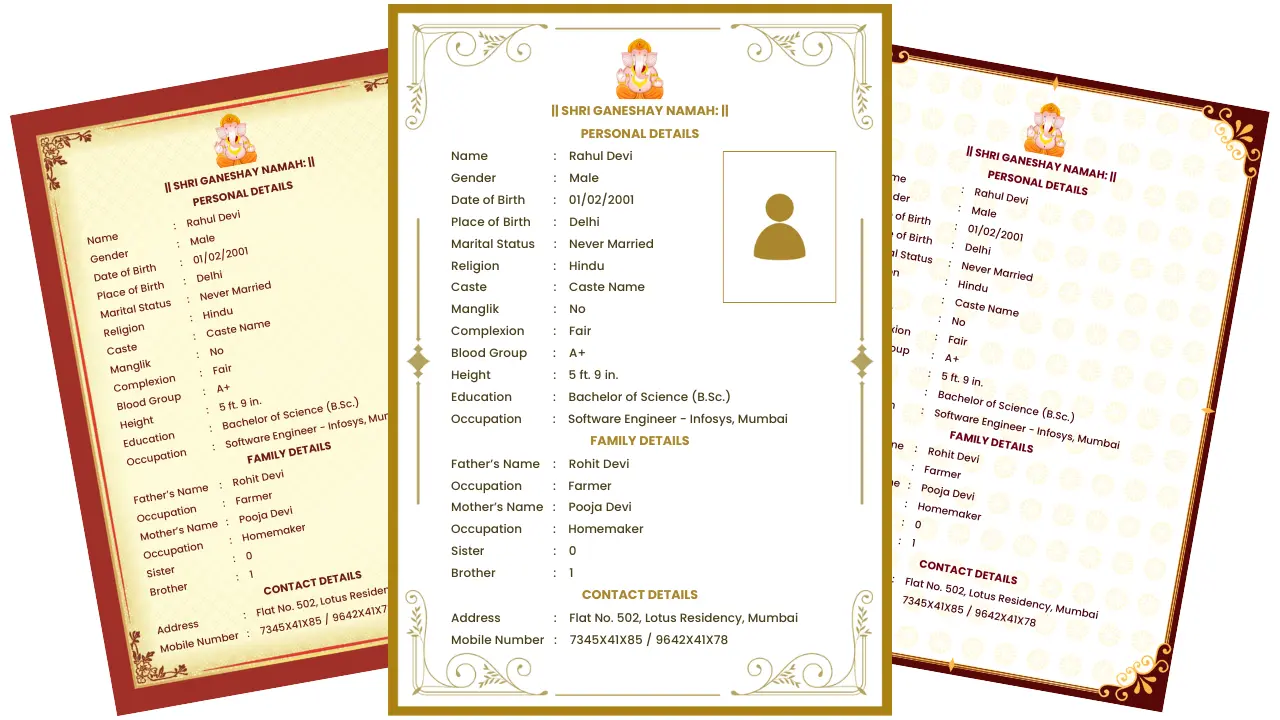
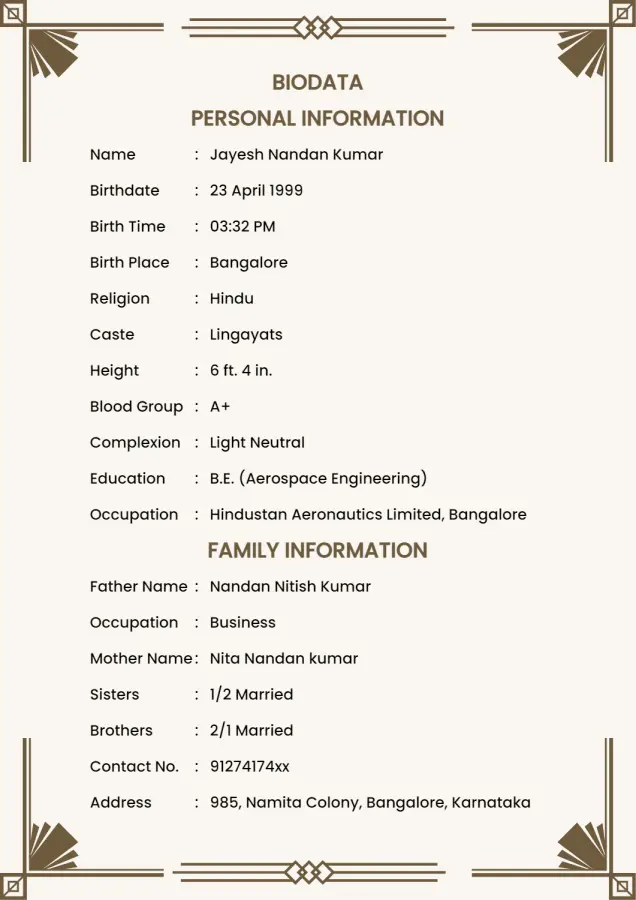
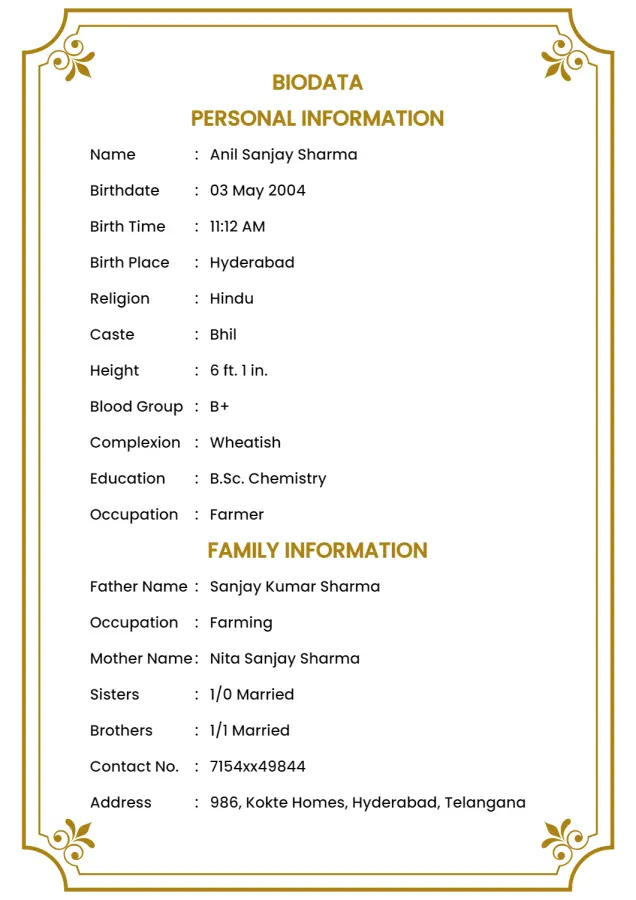
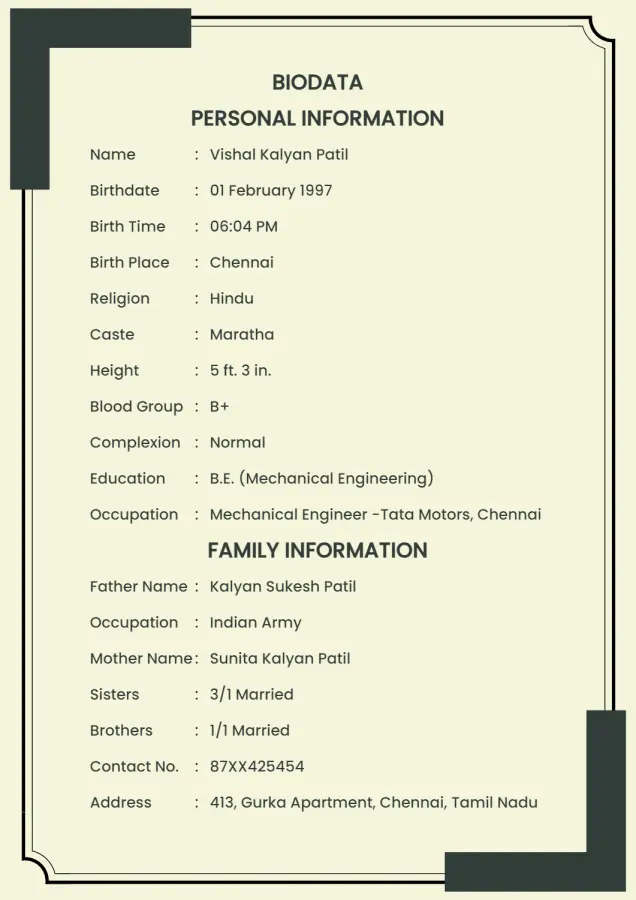
Create and download a beautiful biodata for marriage within minutes.
Customize, download, and print - it's easy to use, quick, and classy.
Here’s a text you can use for a resource titled "Neuroanatomy Notes PDF" — suitable for a website, course description, or download page.
Peripheral Nervous System (PNS): Consists of 12 pairs of cranial nerves and 31 pairs of spinal nerves that connect the CNS to the rest of the body. Tissue Types:
Every "neuroanatomy notes PDF" starts with the building blocks:
Descending (Motor) Tracts: The Corticospinal tract is the most significant, mediating voluntary movement. Ascending (Sensory) Tracts:
: These lecture-based notes focus on the embryological development of the brain (e.g., prosencephalon, mesencephalon) and its functional anatomy. They are available on Scribd. Core Essays and Academic Overviews
Brain Structure
Cerebellum: Primarily responsible for motor control, coordination, and balance [2, 12]. 3. Cranial Nerves
(astrocytes, oligodendrocytes, ependymal cells, and microglia). System Organization : Differentiate between the Central Nervous System (CNS) , consisting of the brain and spinal cord, and the Peripheral Nervous System (PNS) Gross Anatomy : Provide clear descriptions of the cerebral hemispheres (frontal, parietal, temporal, and occipital lobes), the (midbrain, pons, and medulla), and the cerebellum Protective Structures : Explain the three (dura, arachnoid, and pia mater) and the ventricular system



































Here’s a text you can use for a resource titled "Neuroanatomy Notes PDF" — suitable for a website, course description, or download page.
Peripheral Nervous System (PNS): Consists of 12 pairs of cranial nerves and 31 pairs of spinal nerves that connect the CNS to the rest of the body. Tissue Types:
Every "neuroanatomy notes PDF" starts with the building blocks:
Descending (Motor) Tracts: The Corticospinal tract is the most significant, mediating voluntary movement. Ascending (Sensory) Tracts:
: These lecture-based notes focus on the embryological development of the brain (e.g., prosencephalon, mesencephalon) and its functional anatomy. They are available on Scribd. Core Essays and Academic Overviews
Brain Structure
Cerebellum: Primarily responsible for motor control, coordination, and balance [2, 12]. 3. Cranial Nerves
(astrocytes, oligodendrocytes, ependymal cells, and microglia). System Organization : Differentiate between the Central Nervous System (CNS) , consisting of the brain and spinal cord, and the Peripheral Nervous System (PNS) Gross Anatomy : Provide clear descriptions of the cerebral hemispheres (frontal, parietal, temporal, and occipital lobes), the (midbrain, pons, and medulla), and the cerebellum Protective Structures : Explain the three (dura, arachnoid, and pia mater) and the ventricular system
Your trusted online marriage biodata maker, loved by users worldwide
englishbiodata.com is your simple solution for creating marriage biodata online, straight from the web, with 100% security.