CheckTime transforme votre gestion du temps de travail avec une solution automatisée, sécurisée et intuitive. Optimisez votre productivité dès aujourd'hui.
Découvrez comment CheckTime révolutionne votre gestion du temps de travail
Reconnaissance faciale et empreintes digitales pour un pointage sécurisé et infaillible.
Tableaux de bord personnalisables avec analyses prédictives et rapports automatisés.
Intelligence artificielle pour l'optimisation des plannings et détection des anomalies.
Notre solution combine innovation technologique et simplicité d'utilisation pour répondre aux besoins des entreprises modernes.
Mise en place en moins de 24h, aucune infrastructure complexe nécessaire.
Données chiffrées, conformité RGPD, accès sécurisés par double authentification.
Équipe dédiée disponible 7j/7 pour accompagner votre transition digitale.
Rejoignez les entreprises leaders qui utilisent CheckTime
Once upon a time, in a vast digital landscape, there existed a mystical realm known as the Cloud Kingdom. Within this kingdom, there lived a brave and resourceful adventurer named Alex.
To prevent this request URL from resulting in a breach, organizations must implement defense-in-depth strategies.
This specific attack vector was the methodology used in the 2019 Capital One data breach. An attacker used SSRF on a misconfigured web application firewall (WAF) to query the EC2 metadata service, steal credentials, and subsequently exfiltrate over 100 million credit card applications.
The attempt to access this URL indicates a likely Server-Side Request Forgery (SSRF) attack. The goal of the attacker is to trick the server into querying itself to retrieve sensitive IAM (Identity and Access Management) security credentials. If successful, this allows the attacker to hijack the permissions of the compromised server, potentially leading to full cloud account takeover.
The Goal: The attacker aims to steal the temporary credentials, which can then be used from outside the AWS environment to gain unauthorized access to your cloud resources, such as S3 buckets or other EC2 instances. IMDS Versioning:
Exfiltration: The vulnerable application fetches the temporary AWS credentials and displays them to the attacker.
Data Access: Accessing this path typically returns the name of the IAM role. Appending that role name to the URL (e.g., .../iam/security-credentials/) provides the access key, secret key, and session token. Security Context
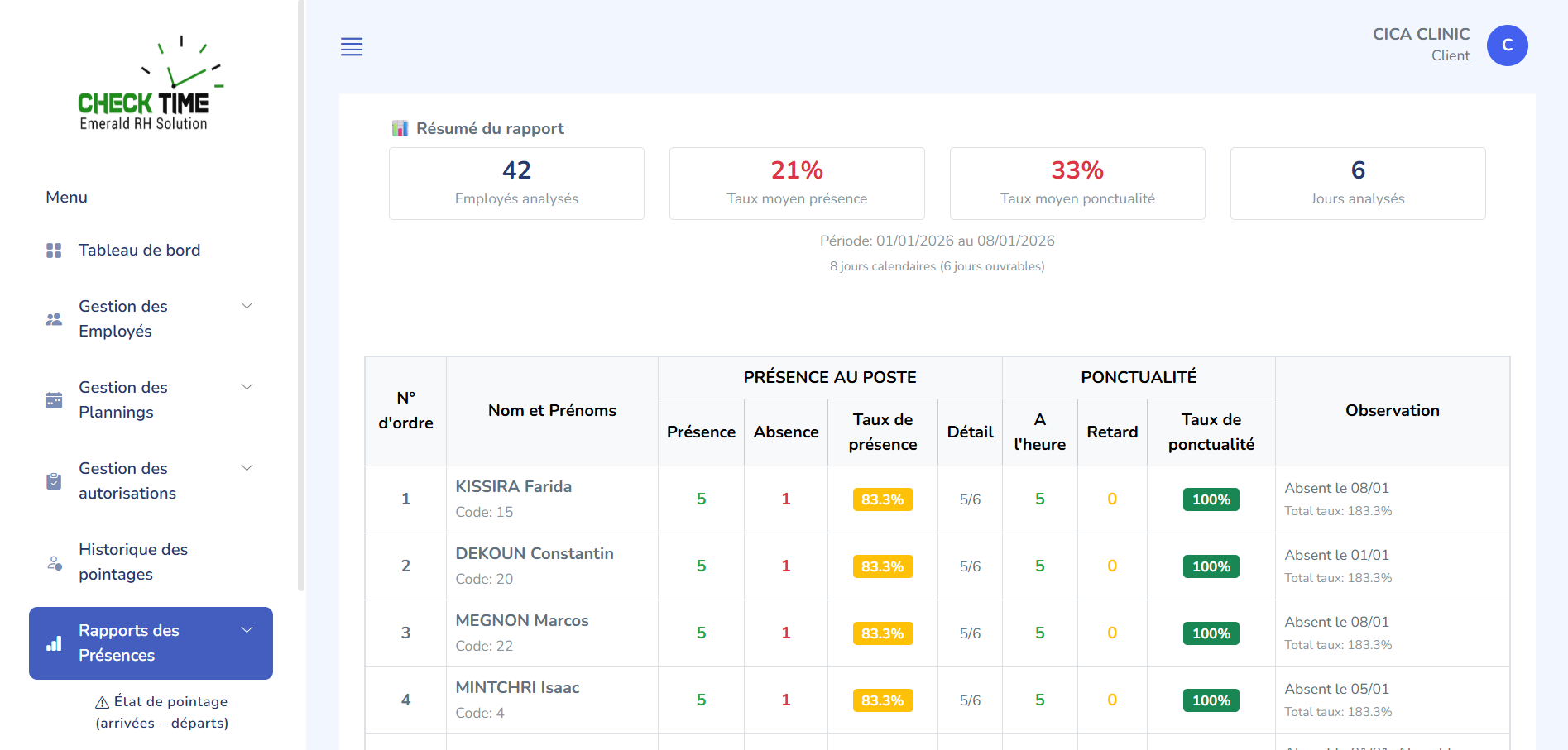
Profitez de toute la puissance de CheckTime directement depuis votre ordinateur Windows
Version 1.0
Dernière mise à jour : Nov. 2025
Découvrez ce que disent nos clients satisfaits
"CheckTime a réduit notre temps de gestion des présences de 70%. Une solution exceptionnelle !"
Directrice RH, TechVision
"L'intégration avec notre système de paie a été parfaite. Gain de temps considérable !"
CEO, InnovGroup
"La reconnaissance faciale fonctionne parfaitement, même avec le port du masque."
Directeur d'Usine, ProdCorp
Once upon a time, in a vast digital landscape, there existed a mystical realm known as the Cloud Kingdom. Within this kingdom, there lived a brave and resourceful adventurer named Alex.
To prevent this request URL from resulting in a breach, organizations must implement defense-in-depth strategies. Once upon a time, in a vast digital
This specific attack vector was the methodology used in the 2019 Capital One data breach. An attacker used SSRF on a misconfigured web application firewall (WAF) to query the EC2 metadata service, steal credentials, and subsequently exfiltrate over 100 million credit card applications. The attempt to access this URL indicates a
The attempt to access this URL indicates a likely Server-Side Request Forgery (SSRF) attack. The goal of the attacker is to trick the server into querying itself to retrieve sensitive IAM (Identity and Access Management) security credentials. If successful, this allows the attacker to hijack the permissions of the compromised server, potentially leading to full cloud account takeover. .../iam/security-credentials/ ) provides the access key
The Goal: The attacker aims to steal the temporary credentials, which can then be used from outside the AWS environment to gain unauthorized access to your cloud resources, such as S3 buckets or other EC2 instances. IMDS Versioning:
Exfiltration: The vulnerable application fetches the temporary AWS credentials and displays them to the attacker.
Data Access: Accessing this path typically returns the name of the IAM role. Appending that role name to the URL (e.g., .../iam/security-credentials/) provides the access key, secret key, and session token. Security Context
