.png)
Simatic S7 200 S7 300 Mmc Password Unlock 2006 09 11 Rar Files Upd [99% ESSENTIAL]
The file you are referring to, likely titled something like "S7_200_S7_300_MMC_Unlock_2006.09.11.rar", is a legacy third-party utility historically used to bypass or retrieve passwords from Siemens SIMATIC S7-200 and S7-300 Micro Memory Cards (MMCs). How These Tools Historically Functioned
- Some community guides describe creating an MMC image and using third-party utilities to extract a stored password from the MMC image. These tools vary in trustworthiness and can be malware-laden.
- Best practice: prefer official methods (retrieve original project and remove protection) or factory-reset the CPU if necessary.
- If you choose third-party tools, run them in an isolated VM, verify checksums, and only proceed on hardware you own.
S7-200 Password Unlockers:
S7-300 Physical Reset (MRES): You can perform an overall reset by holding the CPU switch in the MRES position for approximately 9 seconds until the STOP LED lights continuously, then releasing and re-engaging it within 3 seconds. MMC Image Overwriting The file you are referring to, likely titled
) and searching for specific hex offsets where the password was stored in plain text or a simple reversible format. Go to product viewer dialog for this item. Password Clearing: For the Some community guides describe creating an MMC image
The SIMATIC S7-200 and S7-300 are popular programmable logic controllers (PLCs) used in various industrial automation applications. These devices often utilize a MultiMediaCard (MMC) for data storage, which can be protected by a password. However, there may be instances where the password is forgotten or lost, rendering the MMC inaccessible. This essay aims to provide a comprehensive overview of the process to unlock the MMC password for SIMATIC S7-200 and S7-300 devices, specifically referencing the 2006-09-11 RAR files update. S7-200 Password Unlockers: S7-300 Physical Reset (MRES) :
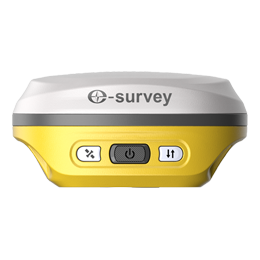 eRTK10 mini
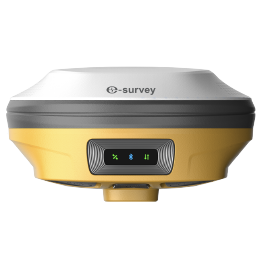 eRTK20
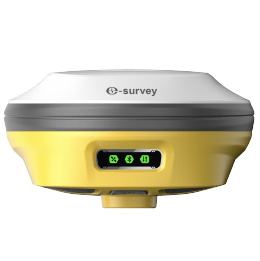 eRTK25
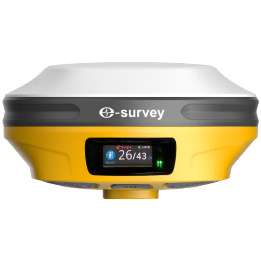 eRTK30
 eRTK10
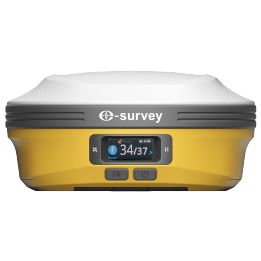 eRTK60
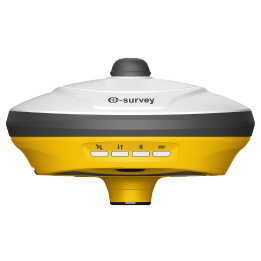 eBase 20
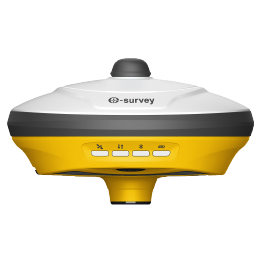 E200
E200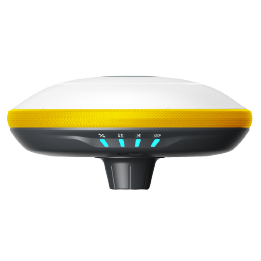 E300 Pro
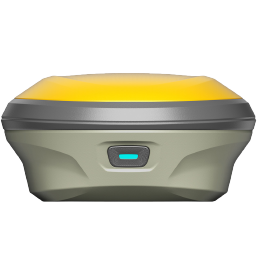 E500
E500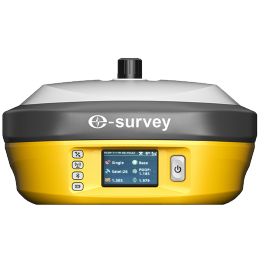 E800
E800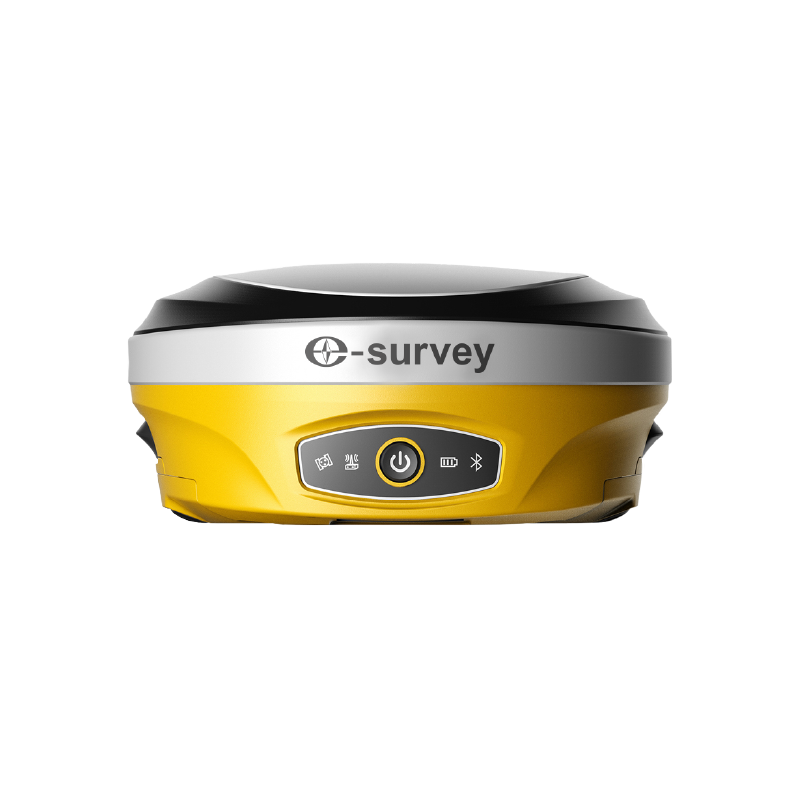 E600
E600 eDMR1
eDMR1 NET10
NET10 NET20 PLUS
 eHP10
eHP10 P8III
P8III P9IV
P9IV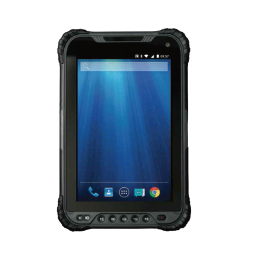 UT32
UT32 Surpad4.2
 GEOSolution
 GNSS.NET
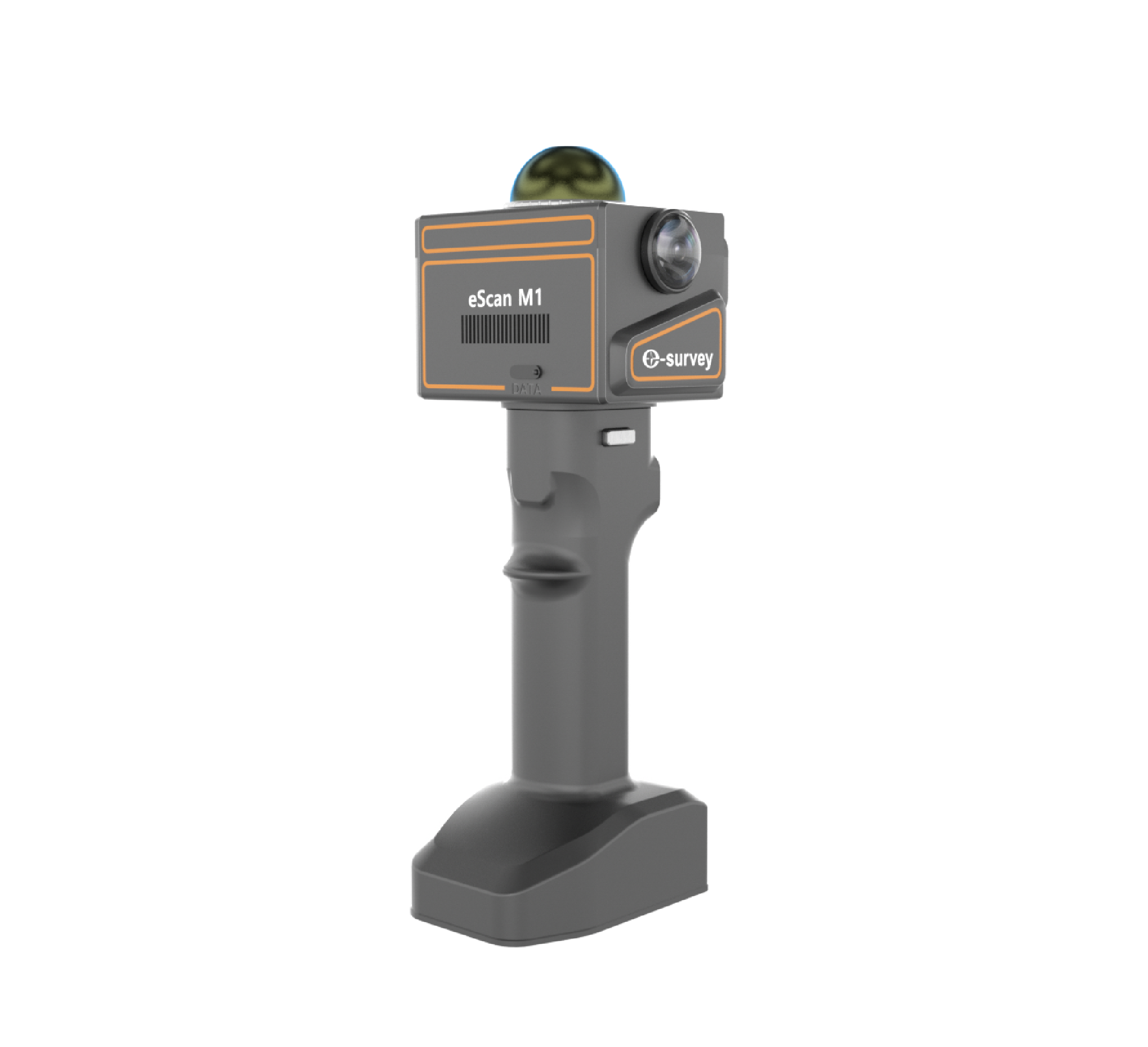
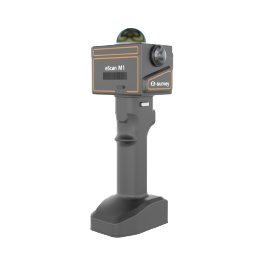 eScan M1
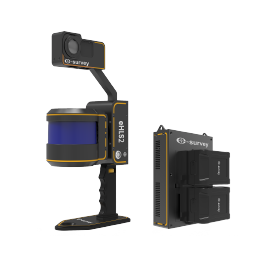 eHLS2
eHLS2 eME10
eME10 eME30
eME30 eMP10
eMP10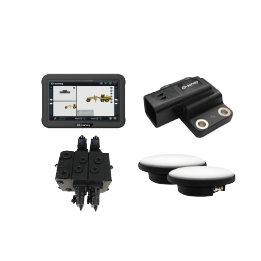 eMG30
eMG30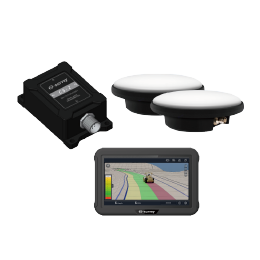 eMR10
eMR10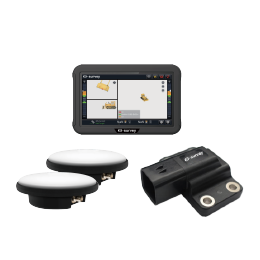 eMB10
eMB10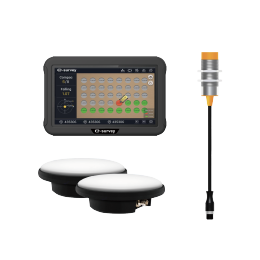 eMC10
eMC10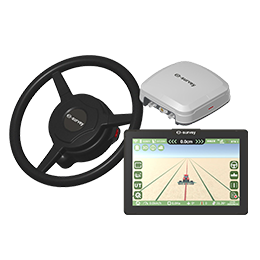 EAS502
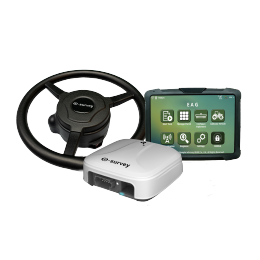 Bestar 301
 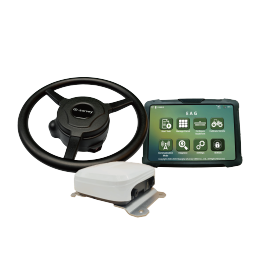 EAS301 Pro Motor
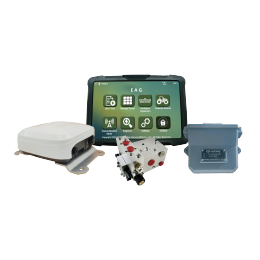 EAS301 Pro Hydraulic
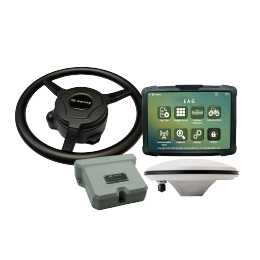 EAS100
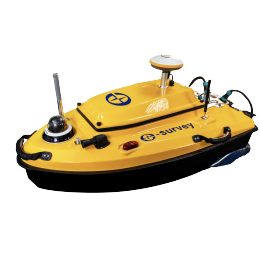 VE115
VE115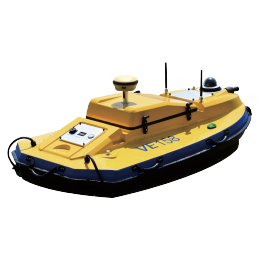 VE158
VE158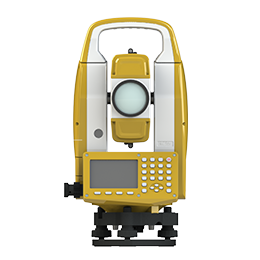 eTS32
eTS32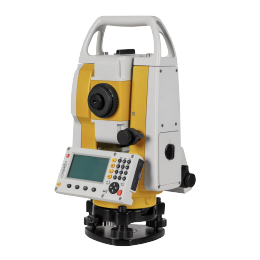 E3
E3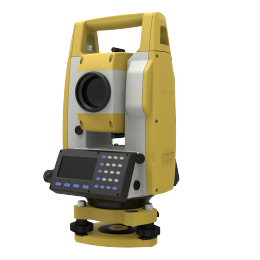 eTS2
eTS2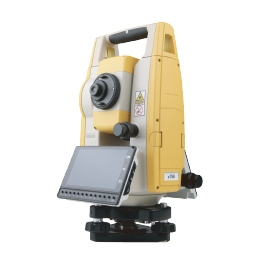 eTS8
eTS8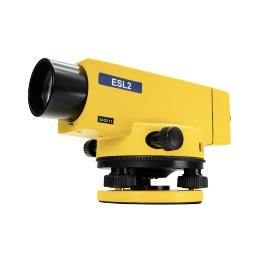 ESL2
ESL2 ESL3
ESL3 ET2A
ET2A TRU35
TRU35 UA91
UA91 UA92
UA92 UA35
UA35