
SSIS-338 is a software/technical artifact (assumed to be a patch, ticket, component, or security advisory) that appears to involve integration services, data pipelines, or a subsystem labeled “SSIS.” Based on that assumption, this evaluation covers intended purpose, scope, risk profile, functional impact, likely root causes, testing and verification recommendations, mitigation options, and an action plan for stakeholders. If you intended a different SSIS-338 (e.g., a hardware part, standard, or legal filing), tell me and I will adapt.
Is "SSIS-338" a:
The SSIS-338 error can arise from various factors, including: SSIS-338
Component-Specific Issues: Since SSIS-338 could refer to a task-specific error, review the properties and configurations of recently added or modified tasks. Week 1 — SSIS fundamentals, Control Flow, Data
Real-time Monitoring and Tuning:

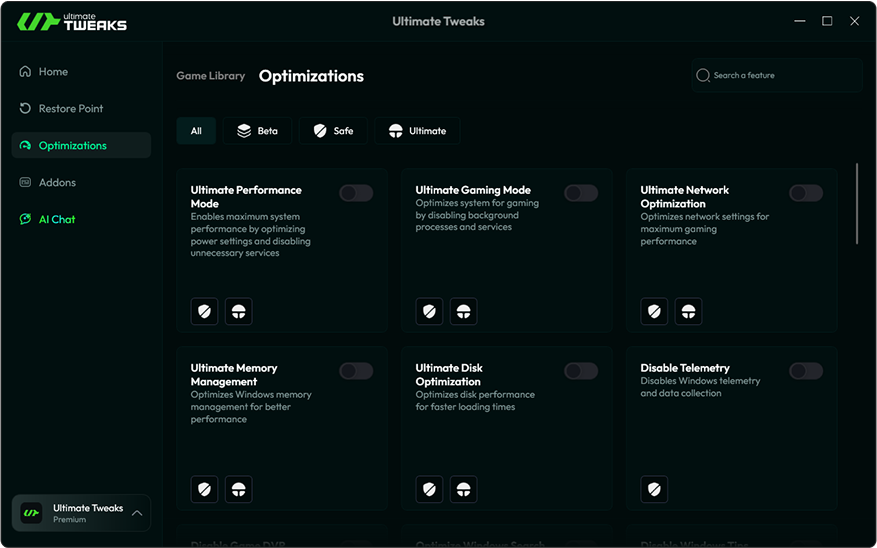
Explore our ever-expanding library of optimized titles—from the latest AAA releases to classic favorites. Every game benefits from tailored tweaks for maximum performance.
Supported Game libraries: