


Super Hot Fat Shemale ✪
The Nexus and the Nuance: Examining the Transgender Community Within LGBTQ Culture
The relationship between the transgender community and the broader LGBTQ (Lesbian, Gay, Bisexual, Transgender, and Queer) culture is often assumed to be one of seamless unity. The acronym itself tethers gender identity to sexual orientation under a single banner of shared liberation. However, a closer examination reveals a relationship that is both symbiotic and fraught—a history of mutual aid alongside deep-seated tensions, shared spaces alongside distinct struggles. To understand LGBTQ culture is to understand that the "T" is not a footnote, but a unique, often uncomfortable, mirror reflecting the movement's own evolving politics of inclusion.
There is a growing movement that intersects trans identity with fat activism. This movement challenges the "thin-only" standard of beauty often seen in mainstream media. super hot fat shemale
Shared spaces like gay bars, leather bars, and drag balls became sanctuaries for both gays and trans people. The 1990s documentary Paris Is Burning showcased New York’s ballroom culture, where gay, transgender, and gender-nonconforming Black and Latino individuals created families (“houses”) to survive. That culture gave birth to voguing, modern drag slang, and much of what mainstream society now calls “queer aesthetics.” The Nexus and the Nuance: Examining the Transgender
Body Positivity and Self-Esteem: Discussions about body image should promote positivity and self-acceptance. Everyone has a unique body type and what might be considered "attractive" varies greatly among different cultures and personal preferences. Discrimination and marginalization in employment
The transgender community is currently leading the most significant cultural conversation of the 21st century: the decoupling of biology from destiny. As Gen Z and Gen Alpha embrace gender fluidity at record rates, the "transgender experience" is becoming less of a niche subculture and more of a blueprint for how everyone—queer or straight—can live more authentically.
- Discrimination and marginalization in employment, housing, healthcare, and education.
- Violence and harassment, including physical and emotional abuse.
- Mental health issues, such as depression and anxiety.
Subscribe for New Articles!
Subscribe to receive an e-mail via FeedBurner ONLY when new articles are posted, nothing else!


- Okjatt Com Movie Punjabi
- Letspostit 24 07 25 Shrooms Q Mobile Car Wash X...
- Www Filmyhit Com Punjabi Movies
- Video Bokep Ukhty Bocil Masih Sekolah Colmek Pakai Botol
- Xprimehubblog Hot
-
 Canon EOS 6D Mark II – Announcement, Full Specs & Video Reviews
-
 Canon 5D Mark IV Firmware 1.0.4 Released
-
 Canon EOS 5D Mark IV – Full Specs, Review & Stock
-
 ANNOUNCED: Canon EOS-1D X Mark II
-
 USB Follow Focus Controller
-
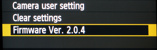 Malfunction in Firmware 2.0.4
-
 I CALLED CANON!
-
 EOS 5D Mark II Firmware 2.0.7 Released
-
Admin: That's right. So far Magic Lantern is working with...
-
Hamish Niven: DOES NOT WORK WITH MAGIC LANTERN, keep your camera...
- 5D Mark III Magic Lantern Enables RAW 24fps DNG Video! | Mark Richardson Photography & Film: [...] http://www.hdcamteam.com/2013/05/13/eos-5d-m...
- EOS 5D Mark III Shooting RAW Video with Magic Lantern | HD Cam Team: [...] made the whole Canon community wait more tha...
** NEW Canon EOS 1D X Mark II **


NEW Drone: DJI Inspire 1: 4K & 3Axis Gimbal

*** The MOST COMPLETE HDSLR Guide ***


** SIGMA 50mm 1.4 DG HSM AF Art Lens **

