



Draft Report: Indian Women's Lifestyle and Culture
Views on discrimination vary wildly by geography. For example, people in Southern states and the Northeast (like Assam) are significantly more likely to report widespread gender discrimination than those in the "Hindi Belt" of Northern India. Pew Research Center 4. Cultural Aesthetic and Identity Traditional vs. Modern Style:
At the heart of an Indian woman’s life is the concept of Sanskara—the values and ethics passed down through generations. While the traditional "joint family" system is evolving into nuclear setups in urban centers like Mumbai and Bangalore, the emotional tether to the extended family remains unbreakable. tamilauntypissingvideosdownloadformobile best
While still rare compared to the West, more women are living alone or as single parents in urban areas, often relying on informal neighborhood support networks. Pew Research Center 3. Perspectives on Rights and Discrimination
Grassroots Impact: Nearly half of all elected representatives in local Panchayati Raj institutions are now women, reshaping local priorities toward sanitation, water, and health. 💼 Work-Life and Corporate Leadership Draft Report: Indian Women's Lifestyle and Culture Views
In Indian culture, the family is the central unit, often operating under a patrilineal and hierarchical structure.
Gender Budgeting: A landmark fivefold increase has seen the gender budget outlay rise to a record ₹5.01 lakh crore for 2026-27. Cultural Aesthetic and Identity Traditional vs
The lifestyle and culture of Indian women is a blend of deep-rooted traditions and rapidly evolving modern roles. While the country is home to diverse regional practices, several core themes define the contemporary experience for women in India. 1. Family and Social Roles Centrality of Family:
Draft Report: Indian Women's Lifestyle and Culture
Views on discrimination vary wildly by geography. For example, people in Southern states and the Northeast (like Assam) are significantly more likely to report widespread gender discrimination than those in the "Hindi Belt" of Northern India. Pew Research Center 4. Cultural Aesthetic and Identity Traditional vs. Modern Style:
At the heart of an Indian woman’s life is the concept of Sanskara—the values and ethics passed down through generations. While the traditional "joint family" system is evolving into nuclear setups in urban centers like Mumbai and Bangalore, the emotional tether to the extended family remains unbreakable.
While still rare compared to the West, more women are living alone or as single parents in urban areas, often relying on informal neighborhood support networks. Pew Research Center 3. Perspectives on Rights and Discrimination
Grassroots Impact: Nearly half of all elected representatives in local Panchayati Raj institutions are now women, reshaping local priorities toward sanitation, water, and health. 💼 Work-Life and Corporate Leadership
In Indian culture, the family is the central unit, often operating under a patrilineal and hierarchical structure.
Gender Budgeting: A landmark fivefold increase has seen the gender budget outlay rise to a record ₹5.01 lakh crore for 2026-27.
The lifestyle and culture of Indian women is a blend of deep-rooted traditions and rapidly evolving modern roles. While the country is home to diverse regional practices, several core themes define the contemporary experience for women in India. 1. Family and Social Roles Centrality of Family:
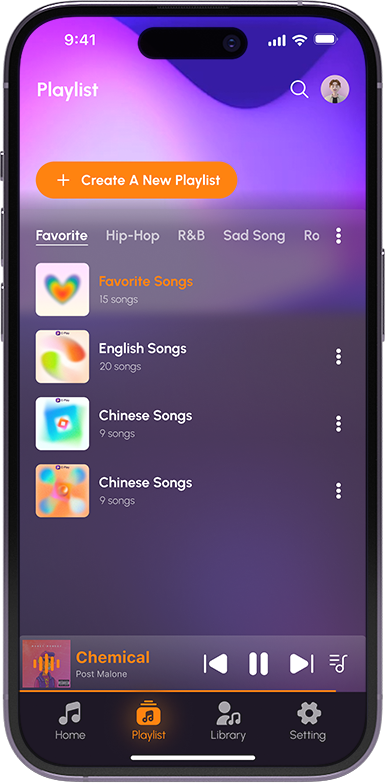
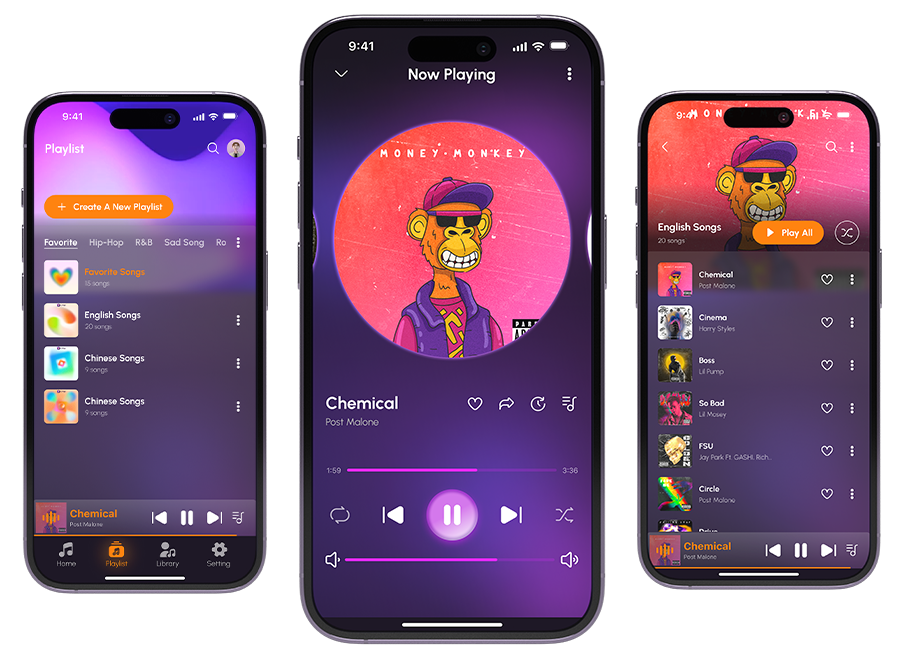
E-play is probably your best bet for playing music not stored on your phone, but also not streaming like Spotify. You set up your Plex server at home and then use this app to stream music from your computer to your phone.
E-Play is a top music sharing platform
which is free to download and import
from local devices around the world.
Developed by Web Zipper Co., Ltd.


© 2026 Blake Palette. All rights reserved.